

 18 Jun 2026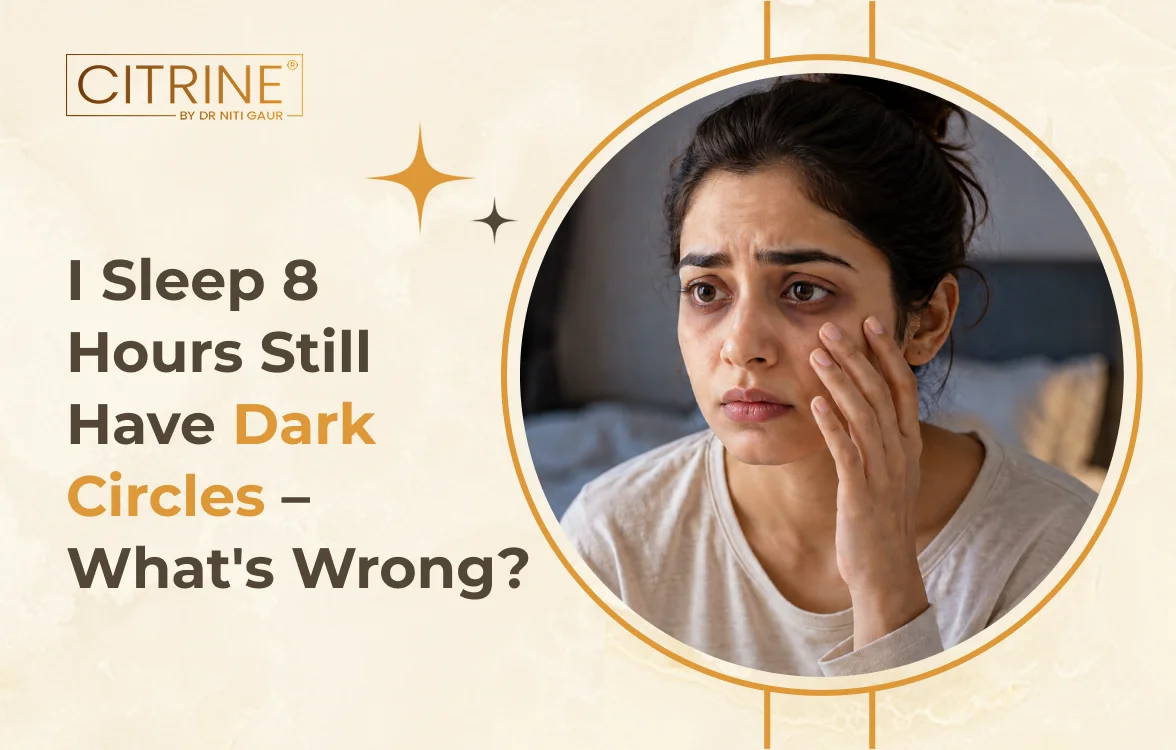
Quick Summary
- Getting a full night's sleep does not always keep dark circles away.
- Hidden causes like genetics, thinning skin, pigmentation, allergies, and low iron are often responsible
- Sleeping more does not always improve dark circles.
- Small lifestyle changes rarely fix stubborn dark circles; a proper skin evaluation can only help.
- Targeted dermatological options like fillers, laser procedures, PRP therapy, and chemical peels work on the root cause.
- In certain cases, long-term reduction is achievable; how well it works depends on what is causing it.
- With the right habits around skincare, water intake, and sun protection, dark circles can be kept at bay.
Introduction
Dark circles are one of the top skin concerns that bring people into a dermatologist's clinic. A lot of people believe that not getting enough sleep is the one and only reason dark circles show up. Yet plenty of people who consistently sleep seven to eight hours still wake up with visible shadows under their eyes.
If you regularly ask yourself, "Why are my under-eyes still dark when I sleep enough?", the real answer starts with accepting that dark circles are more of a symptom than a standalone problem.
The skin beneath your eyes is incredibly thin and sensitive. Changes in blood flow, skin density, bone structure, allergies, the natural aging process, and what you inherit from your family can all leave you looking worn out.
Figuring out what is actually causing your dark circles is the only reliable way to choose a treatment that will genuinely work.
What Are Dark Circles Under the Eyes?
Dark circles, known in medical terms as periorbital hyperpigmentation or infraorbital darkening, refer to patches of discoloration that form below the lower eyelids. The skin in this part of the face is the thinnest, making it highly susceptible to changes in the blood vessels, pigment deposits, and structural shifts happening just underneath.
Every person's dark circles are a little different. Their shade, texture, and root cause can vary quite a bit from one individual to the next. Let us learn about the different types of dark circles:
Types of Dark Circles at a Glance
| Type | Appearance | Primary Cause | Treatment |
| Vascular (Bluish/Purple) | Blue or purple tint under eyes | Visible blood vessels, poor circulation | Laser, topical retinoids |
| Pigmented (Brownish) | Brown or dark patches, may extend beyond eye area | Excess melanin, genetics, sun exposure | Chemical peels, depigmentation creams, laser toning |
| Structural / Hollow (Shadow) | Sunken look, shadow effect | Volume loss, fat pad descent with aging | Dermal fillers (tear trough) |
| Mixed Type | Combination of the above | Multiple overlapping causes | Combined treatment approach |
What Are the Causes of Dark Circles Under the Eyes?
If your sleep is consistent but the shadows remain, one or more of these reasons is likely responsible.
1. Genes
If you have a family history of dark circles, you may inherit thin and pigmented under-eye skin. No matter how much you sleep, genetic dark circles may continue to be visible.
2. Thin Skin and Visible Blood Vessels
As skin thins due to loss of collagen and fat tissue with age, the blood vessels below the eyes start becoming apparent. This often creates a tired appearance, no matter how much you sleep.
3. Hyperpigmentation
Overexposure to sunlight and repetitive rubbing of the eyes causes excess production of melanin resulting in darker circles under the eyes.
4. Allergies and Nasal Congestion
Allergies cause the veins around the eyes to widen, creating a dark purplish appearance.
5. Iron Deficiency Anemia
When hemoglobin levels drop, poor oxygen delivery shows up around the eyes as a dull grayish or bluish tinge. A simple blood test can confirm whether this is a contributing factor.
6. Dehydration
Insufficient water intake causes the under-eye skin to lose plumpness and appear hollow and shadowed. Even mild, ongoing dehydration is enough to sustain that worn-out look through the day.
7. Aging and Volume Loss
With age, under-eye fat pads shift downward and the tear trough deepens, casting a natural shadow. This is a structural change, not a pigmentation issue, and it worsens regardless of lifestyle.
8. Poor Quality Sleep (Even If Duration Is Adequate)
Eight hours in bed does not always mean eight hours of restful sleep. Sleep apnea, frequent waking, or sleeping flat can cause fluid retention beneath the eyes and blood vessels to stay dilated.
9. Lifestyle Factors
Several everyday habits quietly worsen dark circles over time:
- Excess alcohol dilates blood vessels
- Smoking reduces circulation and oxygen to the skin
- High salt intake causes fluid retention and puffiness
- Long screen hours lead to eye strain and squinting
- Skipping sunscreen accelerates under-eye pigmentation
Treatments for Dark Circles at Citrine Clinic
| Treatment | Best For | How It Works | Sessions Needed |
| Dermal Fillers (Tear Trough) | Structural / Shadow-type dark circles | Hyaluronic acid injected to restore lost volume under the eye | 1-2 sessions; results last 12-18 months |
| Laser Toning | Pigmented (brownish) dark circles | Low-energy laser breaks down excess melanin in under-eye skin | 4-6 sessions |
| Chemical Peels | Pigmented dark circles, sun damage | Controlled exfoliation removes hyperpigmented surface layers | 4-8 sessions |
| Eye Restore Therapy | Vascular and mixed dark circles | Combines targeted energy with skin-brightening ingredients for the eye area | 4-6 sessions |
| PRF Therapy | Thin, aging skin under eyes | Growth factors from the patient's own blood stimulate collagen production | 3-4 sessions |
| Microneedling | Collagen stimulation, mild pigmentation | Fine needles create micro-injuries that trigger skin renewal | 4-6 sessions |
| Topical Prescription Creams | Early or mild pigmented dark circles | Ingredients like retinoids, vitamin C, niacinamide, kojic acid prescribed by a dermatologist | Ongoing maintenance |
Every procedure carried out at Citrine Clinic relies on US FDA-approved technology and is done under full medical supervision.
Also Read: Eye Restore Therapy: Dermatologist-Backed Solution for Dark Circles
How Can You Prevent Dark Circles from Getting Worse?
Whether you want to manage existing dark circles or stop them from worsening, these simple habits can make a real difference over time.
Avoid Too Much Sun
Apply sunscreen every morning even if you are indoor. When going outside, wear UV-blocking sunglasses to protect the delicate skin around your eyes.
Stay Hydrated
Make sure you have 3 liters of water everyday as the under-eye area shows signs of dehydration. Cutting back on caffeine and alcohol helps too, since both deplete the body's fluid levels.
Eat for Skin Health
Include the following in your diet:
- Iron sources: spinach, lentils, tofu, beef (for non-vegetarians)
- Vitamin C: citrus fruits, guava, amla, bell peppers (helps with iron absorption and collagen formation)
- Vitamin K: green leafy vegetables (helps maintain vascular health)
- Omega-3 fatty acids: walnuts, flaxseeds, salmon (counter inflammation)
Be Gentle Around the Eyes
Avoid rubbing or pulling at the under-eye skin, especially while removing makeup. Use a gentle micellar water with light dabbing motions, as rough handling can trigger melanin production and damage fragile capillaries.
Common Misconceptions About Dark Circles
| Myth | Reality |
| Only lack of sleep causes dark circles | Sleep is just one factor. Genetics, allergies, aging, and anemia are equally common causes. |
| Dark circles mean you are unhealthy | Many healthy individuals have dark circles due to genetics or skin structure alone. |
| Cucumber slices and home remedies can remove dark circles permanently | Home remedies offer temporary soothing effects. They do not address the root cause. |
| Dark circles only affect older people | They are extremely common in teenagers and young adults, often due to genetics or lifestyle. |
| Expensive eye creams will fix the problem | Most eye creams provide mild hydration benefits. Persistent dark circles usually need clinical intervention. |
| More sleep will always help | If the cause is structural, genetic, or pigment-based, extra sleep will make little difference. |
When Should You See a Doctor for Dark Circles?
Dark circles do not always require medical treatment. If not improving or becoming more prominent despite home remedies, it is advised to visit a dermatologist.
- Persistent discoloration in your eye areas for more than six months with no improvement after changing lifestyle
- Irregularity in discoloration either being patchy, uneven, or becoming darker
- Itching or puffiness accompanying darkening of the eye area
- Continuous use of over-the-counter products without any results
- Having a familial history related to hyperpigmentation
- Other accompanying symptoms like feeling constantly tired or experiencing shortness of breath due to anemia
A dermatologist can take a close look at the under-eye area, evaluate the skin's thickness, tone, and pigmentation pattern, and recommend blood tests if a nutritional gap seems likely.
Expert Insights from Experienced Dermatologist
Dermatologists often emphasize that dark circles are rarely caused by a single factor. Many patients have a combination of pigmentation, volume loss, allergies, lifestyle factors, and genetics all working together.
This is why a personalized treatment approach generally produces better outcomes than relying on one cream or home remedy.
Dr. Niti Gaur, a renowned dermatologist who has experience spanning two decades, explains that it is important to know the root cause before recommending any treatment plan for dark circles.
This helps patients make informed decisions depending on their individual concerns.
Final Takeaway
If you sleep 8 hours every night and still have dark circles, the problem may have little to do with sleep. In reality, genetics, pigmentation, allergies, lack of nutrients, and excessive strain on the eyes are the actual reasons that cause under-eye darkness.
The key to effective treatment is knowing the type of dark circle rather than relying on home remedies. A dermatological evaluation can help determine which procedure is more appropriate i.e. lifestyle changes, lasers, fillers, chemical peels or PRF therapy.
For individuals seeking expert guidance, a consultation with a leading dermatologist such as Dr. Niti Gaur can help identify the root cause of dark circles. She offers a personalized treatment plan based on evidence-based dermatology and can help minimize the appearance of dark circles with advanced treatment options.
To book an appointment with Dr. Niti Gaur, visit Citrine Clinic now.
You can also check our clinic location and patient reviews before visiting.
View Citrine clinic location, directions, and reviews on Google Maps
Frequently Asked Questions
1. Can I remove dark circles permanently?
Permanent removal of dark circles is not possible because of factors such as aging and genetics. However, dermatological treatments can significantly help reduce the appearance of dark circles.
2. Can dark circles go away?
Yes, dark circles caused due to lack of sleep, allergy, dehydration, or any nutritional deficiencies can be improved if the cause is corrected.
3. Dark circles are genetic. Is this true?
Yes. Genetics is one of the main causes of dark circles and can influence facial structure.
4. Why do my dark circles look severe in photographs?
Lights and shadows can create hollowing below the eyes, thus making the dark circles visible to a greater extent in pictures.
5. Does drinking more water remove dark circles?
Hydration can improve the overall look of your skin, but it rarely eliminates dark circles caused due to pigmentation, genetics, or structural changes.
6. Can stress cause dark circles?
Stress can be an indirect contributor by degrading sleep quality, and increasing the amount of time you spend straining your eyes.
7. Are expensive eye creams worth it for treating dark circles?
Some eye creams can help with hydration and mild surface pigmentation, but they cannot fix all types of dark circles, and the price tag does not always reflect the result.
8. Can children experience dark circles?
Yes. In younger children and teenagers, allergies, inherited traits, and nasal congestion are the most frequent reasons dark circles appear.
9. Which treatment works best for under-eye dark circles?
There is no single best treatment because the answer depends entirely on the cause. Pigmentation, blood vessel visibility, and volume loss each call for a different approach.
About the Author