
 17 Jun 2026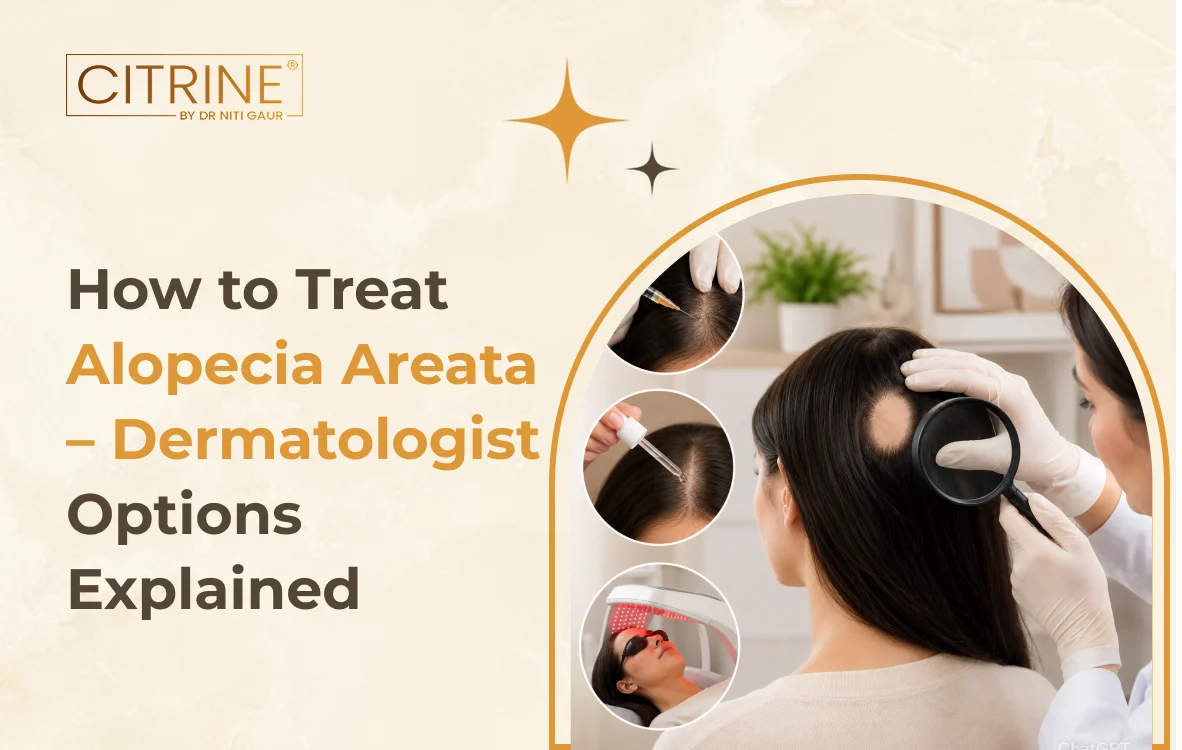
Quick Summary
- Alopecia areata is an autoimmune condition; it is not a sign of poor hygiene.
- Even if bald patches are visible, the hair follicles are still active, so regrowth is possible.
- Treatment options for alopecia areata include Intralesional Corticosteroid Injections, Minoxidil, JAK Inhibitors, GFC etc.
- Depending on the severity of the condition, the doctor recommends the most effective treatment.
- An early diagnosis and customized treatment plan improves results.
- Not every type of hair loss is alopecia areata, a proper diagnosis is essential before the treatment begins.
Introduction
Finding a bald patch on your scalp when you least expect it is never easy. Most individual’s first instinct is to blame a recent haircut, a new shampoo, or a stressful few weeks at work. But sometimes, there is an underlying medical reason behind the hair loss. One such condition is alopecia areata, a common autoimmune disorder that causes sudden, patchy hair loss.
Alopecia areata occurs when the immune system incorrectly targets hair follicles, disrupting normal hair growth. The condition is not linked to cleanliness, personal habits, or a lack of self-care.
While it does not cause physical pain, the emotional weight it carries is very real. The condition can affect self-esteem, confidence, and social interactions, leading some individuals to avoid social situations or feel conscious about their appearance. That said, dermatology has come a long way, and there are several well-tested treatments for alopecia areata that can genuinely make a difference.
This blog walks you through what alopecia areata is, what sets it off, how doctors diagnose it, and what your treatment options look like.
What Is Alopecia Areata?
Alopecia areata is an autoimmune condition where the body's immune system mistakenly attacks hair follicles. Once that happens, the normal hair growth cycle breaks down, and hair begins falling out, usually in smooth, round patches.
What makes this condition different from regular hair thinning is that the follicles themselves are not damaged. Their normal functioning is temporarily affected. This means that with the right treatment and a bit of time, hair regrowth is genuinely possible, even in cases where the patches have been there for a while.
The condition does not limit itself to the scalp. It may occur in different areas such as eyebrows, eyelashes, or beard.
There are three main types of alopecia areata:
- Alopecia Areata (patchy) – Loss of hair in small circular patches on either the scalp or body
- Alopecia Totalis – Hair loss in all scalp regions
- Alopecia Universalis – Hair loss in all body parts including the eyebrows and eyelashes
Who Gets Alopecia Areata?
Alopecia areata can affect:
- Both males and females
- Young individuals as well as adults
- Individuals with or without a family history of autoimmune diseases
- Though this condition affects people at any age, many cases are observed in people below the age of 30.
Individuals having the following conditions may be at a higher risk:
- Thyroid problems
- Vitiligo
- Atopic eczema
- Diabetes type 1
- Others autoimmune diseases
- History of alopecia areata
What Are the Symptoms of Alopecia Areata?
Common symptoms include:
Hair Symptoms
- Round or oval bald patches
- Smooth hairless areas without scarring
- Sudden increase in hair shedding
- Hair loss on scalp, beard, eyebrows, or eyelashes
Nail Symptoms
Some patients develop:
- Nail pitting
- Rough nails
- Brittle nails
- White spots on nails
Emotional Symptoms
Many patients report:
- Anxiety
- Reduced self-confidence
- Social withdrawal
- Stress related to appearance changes
Important note: If you notice sudden or patchy hair loss, seeing a dermatologist such as Dr. Niti Gaur at Citrine Clinic sooner rather than later is worth it. Other conditions can look a lot like alopecia areata, and getting the right diagnosis makes all the difference to how it gets treated.
What Causes Alopecia Areata?
The causes of alopecia areata include:
- Autoimmune response: Certain immune cells, particularly T-lymphocytes, target the follicles and disrupt the normal hair growth cycle, leading to hair loss. This disrupts the natural protection that keeps follicles safe from immune attack.
- Genetics: Genetics appear to play an important role in the development of alopecia areata. People with a family history of the condition or other autoimmune disorders may have a higher risk of developing it.
- Environmental triggers: Factors such as viral infections, physical trauma, surgery, or significant emotional stress may trigger the onset of alopecia areata. However, stress alone is not considered a direct cause of the condition.
- Associated autoimmune conditions: People already living with thyroid disease, vitiligo, or similar conditions carry a higher chance of developing alopecia areata.
Note: This condition has nothing to do with eating habits, wearing your hair tightly, or how often you wash it.
How Do Dermatologists Diagnose Alopecia Areata?
Getting the diagnosis right matters, because several other conditions can produce patchy hair loss that looks similar at first glance.
Clinical Examination
Things that the dermatologist will examine include:
- Pattern of hair loss
- Duration of symptoms
- Family history
- Underlying medical problems
Trichoscopy (Scalp Dermoscopy)
With a special equipment, the dermatologist will examine:
- Exclamation marks
- Yellow dots
- Black dots
- Split ends
Hair Pull Test
This is where the doctor pulls the hair to examine the shedding.
Dermatologist-Recommended Treatment Options for Alopecia Areata
| Treatment | Best For | Expected Benefit |
| Topical Corticosteroids | Mild cases | Reduces inflammation |
| Intralesional Steroid Injections | Localized patches | Often effective for small areas |
| Minoxidil | Adjunct treatment | Supports regrowth |
| PRP Therapy | Selected patients | May enhance follicle recovery |
| Oral Medications | Moderate to severe disease | Controls immune activity |
| JAK Inhibitors | Severe cases | Significant regrowth in suitable patients |
Treatment Options for Alopecia Areata Explained in Detail
1. Intralesional Corticosteroid Injections
This remains the go-to treatment for adults dealing with patchy alopecia areata. By reducing inflammation and the immune attack on the hair follicles, the treatment can help stimulate hair regrowth in the affected areas.
2. Topical Corticosteroids
These include creams, lotions, foams, or ointments that are applied directly to the bare patches. They work by reducing the inflammation that is stopping hair from growing. They tend to be the first choice for younger patients and for anyone who finds injections difficult.
- Need to be applied once or twice daily as directed
- Prolonged use can cause skin thinning, so monitoring is important
3. Minoxidil (Topical and Oral)
Minoxidil has been used for hair loss for a long time, and while it cannot reverse alopecia areata by itself, it plays a useful supporting role.
- Topical minoxidil (2% or 5%) is applied to affected areas 2 to 3 times daily.
- Oral minoxidil at low doses (0.5 to 5 mg) is increasingly prescribed alongside other treatments,
- Helps retain regrowth achieved through other therapies.
4. JAK Inhibitors (Janus Kinase Inhibitors)
Among everything that has come out in recent years, JAK inhibitors have made the biggest impression. These are oral tablets that work by blocking the specific signaling pathways the immune system uses to attack hair follicles.
Three JAK inhibitors are currently approved for alopecia areata:
- Baricitinib (Olumiant)
- Ritlecitinib (Litfulo)
- Deuruxolitinib (Leqselvi)
5. PRP (Platelet-Rich Plasma) and GFC (Growth Factor Concentrate) Therapy
Both of these therapies involve using the patient's own blood, which will then be spun in a centrifuge to remove growth factors, before they can be injected again into the scalp. This will ensure that a favourable environment is created for follicle regeneration.
The most effective treatment option will be decided depending on the severity of the condition at the time of consultation.
Things to Avoid When You Have Alopecia Areata
Certain habits and triggers can worsen the condition or interfere with treatment:
- Avoid tight hairstyles such as tight ponytails, braids, or buns that pull on the scalp.
- Do not self-medicate with over-the-counter hair fall treatments without a dermatologist's guidance.
- Avoid harsh chemical treatments like perms, relaxers, or bleach on affected areas.
- Do not delay treatment hoping it will resolve on its own, especially if hair loss is spreading quickly.
- Avoid unverified home remedies like onion juice, garlic paste, or essential oils as primary treatments. They have no reliable clinical evidence for alopecia areata.
- Manage stress actively.
- Do not stop prescribed treatment without consulting your dermatologist, even if you see improvement
Can You Prevent Alopecia Areata?
Since alopecia areata is an autoimmune condition, there is no particular way to prevent it. However, the following steps can reduce the risk:
- Do yoga, or exercise to keep stress levels under control.
- Maintain a healthy diet and include enough proteins, iron, zinc, B12 vitamins, and vitamin D.
- Undergo medical screening for any underlying disorders such as hypothyroidism.
- Stop smoking as it worsens autoimmune disorders.
- Seek medical treatment at the first sign of hair loss to prevent it from spreading.
What Can You Eat to Support Hair Regrowth?
Although diet alone can not cure alopecia areata, certain nutritional deficiencies can exacerbate the hair loss. Therefore, you must include the following in your diet:
- Protein: Eggs, lentils, paneer, chicken, and fish contain the amino acids from which hair is made of.
- Iron: Spinach, rajma, dates, and lean meats assist in maintaining hemoglobin
- Zinc: Pumpkin seeds, chickpeas, and nuts are good sources of zinc to help regulate immunity and follicular health.
- Vitamin D: Spend some time in morning sunlight and eat eggs.
- Omega-3 fatty acids: Flax seeds, walnuts, and fish provide essential fats to reduce inflammation.
- Biotin and B-vitamins: Eat whole grains, bananas, and legumes to stimulate keratin synthesis.
If blood tests indicate any deficiencies, your doctor may recommend supplements in addition to other treatments.
Common Misconceptions About Alopecia Areata
| Common Misconception | What the Evidence Actually Shows |
| Alopecia areata is caused by stress alone | Stress can trigger flares but it is an autoimmune disease with genetic and immune roots |
| Hair follicles are permanently destroyed | Follicles remain alive beneath the skin; regrowth is possible even after years |
| Applying oil or home remedies can cure it | No over-the-counter oil has proven efficacy; dermatologist-supervised treatment is needed |
| It only affects the scalp | It can also affect eyebrows, eyelashes, beard, and body hair |
What Results Can Patients Realistically Expect?
One of the biggest misconceptions is that treatment guarantees permanent regrowth.
In reality:
- Some patients achieve complete regrowth.
- Others experience partial regrowth.
- Recurrences can occur even after successful treatment.
- Early treatment often improves outcomes.
- Patience is important because visible regrowth may take several months.
Final Takeaway
Alopecia areata is a complex autoimmune condition, but it is not something you have to face alone or feel helpless about.
Dermatology has moved forward significantly, and today there are effective options, from steroid injections for small patches to newer oral medications for people dealing with severe hair loss.
The key to better outcomes is getting diagnosed early, following the right treatment plan, and being patient, as hair regrowth can take time. None of this is a quick fix, but it is manageable with the right support.
If you have been losing hair in patches and are not sure what is causing it, the best thing you can do right now is speak to a dermatologist who takes the time to properly assess you.
For patients across Delhi NCR, Dr. Niti Gaur at Citrine Clinic, Gurgaon has spent over two decades doing exactly that, helping patients understand their condition clearly and move forward with a plan that makes sense for them.
To book a consultation with Dr. Niti Gaur, visit Citrine Clinic in Gurgaon.
You can also check our clinic location and patient reviews before visiting.
View Citrine clinic location, directions, and reviews on Google Maps
Frequently Asked Questions
1. Is alopecia areata hereditary?
Genetics can play a role. Having a family history may increase risk, but many patients have no affected relatives.
2. What triggers alopecia to start?
Possible triggers include immune system changes, infections, emotional stress, and genetic susceptibility.
3. Can alopecia areata go away?
Yes. Some patients experience spontaneous regrowth, though recurrence remains possible.
4. What should I avoid if I have alopecia?
Avoid harsh hair treatments, smoking, crash diets, and delaying professional medical care.
5. What can I eat to stop alopecia?
A balanced diet rich in protein, iron, zinc, vitamin D, fruits, and vegetables supports overall hair health.
6. How do I stop alopecia from spreading?
Early diagnosis, appropriate treatment, stress management, and regular dermatology follow-up can help control progression.
7. Is alopecia areata contagious?
No. It cannot spread from one person to another.
8. Can alopecia areata affect eyebrows and eyelashes?
Yes. Some patients develop partial or complete loss of eyebrow and eyelash hair.
9. Does shaving the head help alopecia areata?
No. Shaving does not affect the immune process causing hair loss.
10. Is alopecia areata permanent?
Not always. Many patients experience regrowth, although some may have recurrent or long-term disease.
About the Author