
 12 Sep 2026
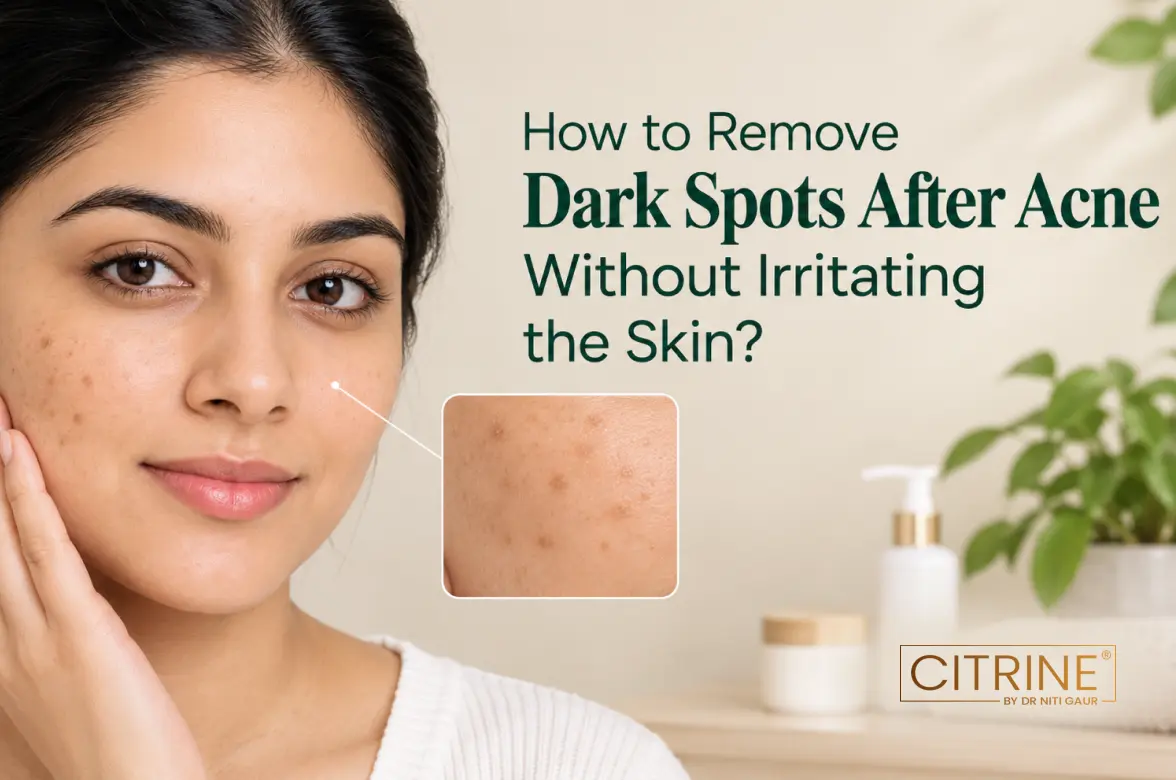
Your pimple is naturally healing and has turned softer or flatter. But even after the bump is gone, a red, dark, or brown mark may stay in the same spot for weeks or months, making your skin look uneven. That lingering mark is usually a post-inflammatory hyperpigmentation.
The dark spots that show up after pimples heal are because the inflammatory acne stimulates more melanin production. If active pimples are picked, squeezed, repeatedly irritated, or exposed to direct sunlight, the pigmentation can be deeper and longer-lasting, says Dr. Niti Gaur, founder of Citrine Clinic and a leading acne treatment doctor in Gurgaon.
Thankfully, post-pimple dark spots can be prevented and faded with appropriate, dermatologist-recommended treatment combined with a proper skincare routine. The key is to manage pimples and associated pigmentation at the same time.
Quick Summary
- Dark spots after pimples are usually post-inflammatory hyperpigmentation.
- Picking, scratching, or squeezing pimples can increase inflammation and damage, leading to stubborn dark spots.
- Direct UV exposure can further make acne marks more visible.
- For some people, post-acne marks can fade with topicals containing Vitamin C, niacinamide, azelaic acid, or retinoids.
- For persistent, moderate-to-severe dark spots, dermatologists recommend chemical peels or laser treatment.
- Proper treatment of active pimples is essential to avoid dark spots from appearing.
- A dermatologist can identify the cause and severity of dark spots after pimples and recommend the most appropriate treatment for your concern and skin type.
What Causes Dark Spots After Pimples?
When pimples develop, inflammation stimulates melanocytes in that area to produce melanin, a colored pigment. Excess melanin makes the skin darker than the surrounding skin.
After pimples heal, lingering dark spots appear, called post-inflammatory hyperpigmentation. The severity of darkening in previously pimple-affected skin depends on the depth of the pimples and the extent of inflammatory damage to the skin. It is more common with nodules and cysts, the severe form of inflammatory acne, than with papules and pustules, which are moderately inflamed acne lesions.
Though dark spots after pimples can appear in all skin types, they are more visible and persistent in individuals with medium-to-dark skin tones.
Genetics, extent of UV exposure, skin irritation, and how early and properly pimples are managed also influence the appearance of dark spots after pimples.
How Can Dark Spots After Pimples Be Avoided?
Here are some preventive measures recommended by dermatologists:
1. No picking, squeezing, or scratching of pimples
Intentional manipulation of pimples can worsen inflammation and related tissue injury, thereby increasing the risk of persistent marks and scarring. Self-treatment can worsen the concern rather than improving it.
2. Early acne treatment
If pimples are persistent or keep developing, new dark spots can form, so seek early, appropriate treatment for active pimples from a dermatologist. Depending on the type and severity of pimples, a dermatologist may recommend topical retinoids, azelaic acid, salicylic acid, benzoyl peroxide, oral antibiotics, hormonal treatment (for selected females), or isotretinoin for severe cases.
3. Proper, daily sun protection
Direct, prolonged UV exposure can deepen pigmentation, leading to persistent, uneven skin tone. So, dermatologists recommend daily use of a broad-spectrum sunscreen of SPF 30 or higher on all exposed areas, after pimples have healed. If skin is prone to pigmentation, dermatologists recommend tinted sunscreens with iron oxides.
4. No over- or harsh skin exfoliation
Dark spots after pimples cannot disappear faster by scrubbing or frequent use of exfoliating acid. Rather, over-exfoliation can damage the skin barrier, trigger inflammation, and worsen pigmentation. Dermatologists recommend gentle, regular exfoliation, if needed.
What Can Be Done if Dark Spots Appear After Pimples?
In many cases, dark spots after pimples naturally fade over time. Mild spots take several weeks while moderate spots take several months. Consistent, proper skincare, including sunscreen use, helps support fading.
However, if the dark spots are stubborn or moderate to extensive, dermatologists recommend one of the following treatments:
- Topicals: These include products containing niacinamide, azelaic acid, Vitamin C, retinoids, or hydroquinone, which help reduce extra melanin deposition.
- Chemical peels: Carefully selected, mild chemical peels can provide controlled exfoliation and are recommended to remove pigmented skin layers and improve natural skin tone.
- Laser resurfacing: Carefully selected lasers tailored to skin type/tone and the depth of pigmentation are recommended. The heat from the laser helps remove excess melanin while stimulating collagen remodeling and promoting skin renewal.
Generally, dermatologists recommend a combination approach that can control active pimples, prevent and treat dark spots after pimples, and even treat acne scars, if needed.
Conclusion
Dark spots after pimples are usually post-inflammatory hyperpigmentation. They can eventually fade without treatment, sooner if superficial. But if pimples recur, are popped or picked, or are exposed to constant sun and irritation, stubborn, deeper dark spots can develop.
With early, appropriate treatment of active pimples, UV protection, avoiding picking or popping, and sticking to a proper skincare routine, dark spots may not appear or may be less severe.
For persistent, severe dark spots, dermatologists recommend prescription topicals or personalized, in-clinic procedures.
If dark spots continue to appear after acne, consulting a dermatologist can help identify the type and depth of pigmentation. Dr. Niti Gaur, dermatologist and dark spot treatment doctor in Gurgaon, can assess your skin and recommend a personalised approach combining acne control, pigmentation treatment, and appropriate skin-repair procedures.
She recommends a combined treatment plan: first controlling the pimples, then improving pigmentation and texture. Schedule a visit for details at Citrine Clinic.
Locate Citrine Clinic easily and explore verified patient experiences.
FAQs on Acne Scar Formation After Pimple Healing
Why do pimples leave dark spots?
Inflammation stimulates melanin production, which can darken the skin as it heals after the pimple disappears.
How can I prevent dark spots after pimples?
Treat active pimples early and properly care for the affected area with a gentle skincare routine and suitable sunscreen. Do not pick and squeeze pimples, as they can irritate the skin and increase the risk of persistent dark spots.
What is the best way to fade dark spots after pimples?
A dermatologist-recommended personalized treatment plan that focuses on pimple control, prevention of dark spots, and treating existing dark spots and scars with the most appropriate skincare active or in-clinic procedure.
Are dark spots and acne scars after pimples the same?
No. Dark spots are post-inflammatory hyperpigmentation where texture remains normal. Acne scars are depressed or indented, permanent marks where skin texture has changed. Both can be present at the same time and need different treatment approaches.
Can home remedies help treat dark spots after pimples?
Avoid them, as they can irritate the skin and worsen dark spots.
About the Author