HomeBest Acne Doctor in Gurgaon

Best Acne Doctor in Gurgaon

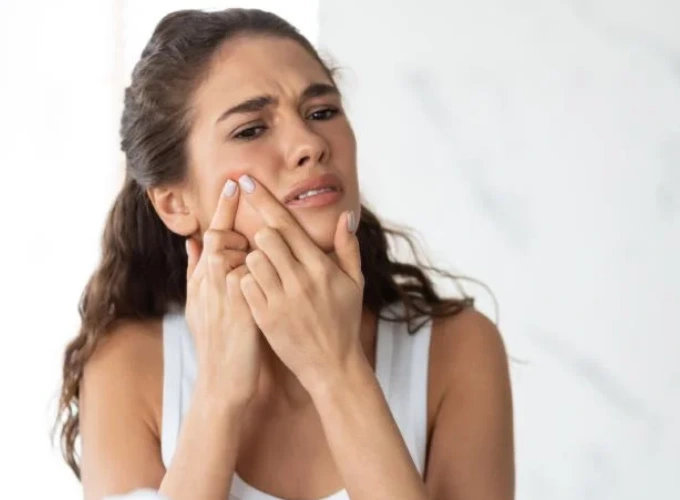
Acne is a common skin problem that generally manifests in the form of pimples, blackheads, whiteheads, or cysts on the face, back, chest, and shoulders. With proper dermatological assistance and a proper treatment plan, acne can be controlled in an effective manner. At Citrine Clinic, which is one of the best clinics for acne treatment in Gurgaon, the treatment of acne depends on the severity of the condition and the individual’s skin type.
Best Acne Doctor in Gurgaon

Quick Overview

Check Icon
Common inflammatory skin condition affecting teenagers and adults
Check Icon
Caused by clogged pores, excess oil, bacteria, and hormonal changes
Check Icon
Appears as pimples, blackheads, whiteheads, cysts, or nodules
Check Icon
Commonly seen on the face, chest, back, and shoulders
Check Icon
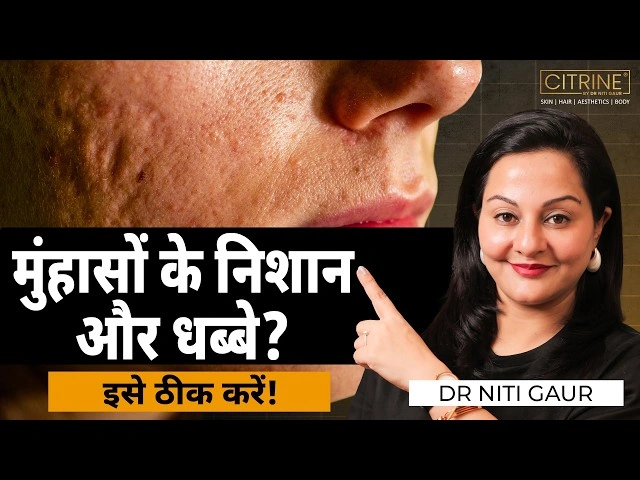
Can lead to acne scars and pigmentation if untreated
Check Icon
Triggers include hormones, stress, diet, and skincare habits
Check Icon
Treatment involve medications and dermatological procedures
Check Icon
Early treatment helps prevent long-term skin damage
Check Icon
Consistent skincare and lifestyle management play a key role
Check Icon
Personalized acne treatment available at Citrine Clinic in Gurgaon

What is Acne?

Acne is a skin condition that occurs as a result of hair follicles being clogged by oil, dead cells, and bacteria. Acne that occurs on the surface of the skin may cause inflammation and lead to the formation of pimples. Acne is considered a teenage disease; however, it also occurs among adults as a result of hormonal imbalances and stress.

Acne may be of various types and may cause scarring on the skin. Acne is considered harmless; however, it impacts the self-esteem of an individual and their skin. Acne may be treated and the skin restored to its normal state.
What is Acne?

Cost of Acne Treatment in Gurgaon

On average, treatment may range between ₹3,000 to ₹12,000 per session, depending on the procedures involved.

Factors that can influence the cost include:

  • Type and severity of acne (mild, moderate, or severe)
  • Presence of acne scars or pigmentation
  • Size of the treatment area such as face, chest, or back
  • Number of sessions required for visible improvement
  • Type of treatment recommended (medications, chemical peels, laser treatments, etc.)
  • Technology and equipment used during the procedure
  • Experience and expertise of the dermatologist

Combination of acne treatment with scar or pigmentation treatments

At Citrine Clinic in Gurgaon, dermatologists first evaluate the skin condition carefully before recommending a personalized acne treatment plan and estimated cost.

What Causes Acne

There are various factors that may cause acne. These factors are:

Excessive sebum production by sebaceous glands

Presence of dead cells that clog pores

Hormonal changes that occur during puberty, menstruation, or stress

Presence of bacteria that cause acne

Usage of products that are comedogenic or clog pores

Presence of foods that are rich in carbohydrates or sugars

Presence of stress and lack of adequate sleep

Genetic predisposition to acne-prone skin

Types of Acne

Acne comes in various forms depending on the severity and level of inflammation.

01
Blackheads - These are open pores that are filled with oil and dead cells that appear black.
02
Whiteheads - These are closed pores that are filled with oil and dead cells that form a white bump on the skin.
03
Papules - These are red bumps that are inflamed but lack pus.
04
Pustules - These are bumps that are filled with pus; they are red in color with a white or yellow center.
05
Nodules - These are large bumps that are painful; they are formed deep within the skin.
06
Cystic Acne - This is a severe form of acne that is caused by a bump that is filled with pus that results in scarring.

Care and Treatment

Managing acne effectively often requires a combination of skincare habits and medical treatments.

Care Management Icon

CARE MANAGEMENT

  • Use a gentle cleanser suitable for acne-prone skin
  • Avoid touching, squeezing, or picking pimples
  • Follow a dermatologist-recommended skincare routine
  • Maintain proper skin hygiene and remove makeup before sleep
  • Manage stress and maintain a balanced lifestyle
Treatment Options Icon

TREATMENT OPTIONS

  • Prescription topical creams and gels to control oil and bacteria
  • Oral medications for moderate to severe acne
  • Chemical peels to exfoliate clogged pores
  • Laser or light-based therapies to reduce inflammation
  • Advanced treatments to minimize acne scars and marks

At Citrine Clinic in Gurgaon, dermatologists analyze the skin condition before recommending targeted treatments that help reduce breakouts and prevent future flare-ups.

How to Prevent Acne Breakouts

Preventive care can help control acne and reduce the frequency of breakouts.

  • Wash the face twice daily using a mild cleanser
  • Avoid heavy or comedogenic skincare products
  • Keep hair and scalp clean to prevent oil buildup on the face
  • Maintain a balanced diet and adequate hydration
  • Avoid excessive touching or rubbing of the face
  • Clean makeup brushes and pillowcases regularly
  • Protect the skin from pollution and sweat buildup
  • Seek early dermatological advice if acne persists

When to Consult a Doctor for Acne Treatment

While mild acne may improve with basic skincare, certain situations require professional evaluation.

Acne persists despite using over-the-counter products
Frequent painful or inflamed pimples appear on the skin
Breakouts are leaving scars or dark marks
Acne spreads to the chest, back, or shoulders
Sudden severe acne develops in adulthood
Skin becomes irritated due to self-treatment

In such cases, consulting a dermatologist at Citrine Clinic in Gurgaon can help determine the underlying cause and the most suitable treatment approach.

FREQUENTLY ASKED QUESTIONS

Yes, many people get acne after the teenage years. This is often a result of hormonal, stressful, and other lifestyle conditions. Acne among adults is very common and can be treated with proper dermatological care.

Having oily skin may increase the risk of developing acne, but it is not a definite cause.

Early treatment of active acne greatly reduces the chances of scarring. Avoiding the habit of squeezing pimples is also important to prevent marks.

Yes, some people may experience acne after consuming food rich in sugars and dairy products. However, it is necessary to understand that people react differently to food.

Acne treatment takes a few weeks for results to be visible. It is necessary for people with acne to be patient with the treatment for good results.

Yes, it is safe, but it is necessary to understand that home remedies do not cure acne. Acne is better treated by a dermatologist.

Yes, stress can cause acne. Stress triggers hormonal imbalances in the body, which may cause acne.

No, acne cannot be contagious. It does not spread from one person to another.

Yes, makeup can cause acne. Some makeup products may clog the pores of the skin and cause acne.

Acne can be controlled permanently. It does not go away on its own. A long-term plan of action should be followed to get permanent results.

REQUEST AN APPOINTMENT

Loading…
Whatsapp