Ear piercing is a simple and popular cosmetic procedure. It is performed for cultural, aesthetic, or personal reasons. While people see it as a minor procedure, it is, in fact, a clinical procedure. Professional ear-piercing in Gurgaon offers a comfortable experience, with proper post-care guidance for long-lasting outcomes. At Citrine Clinic, ear piercing is done with sterile equipment with precision. Medical-grade equipment reduces the chances of infection. Professional ear-piercing treatment in Gurgaon offers a comfortable experience, with proper post-care guidance for long-lasting outcomes.
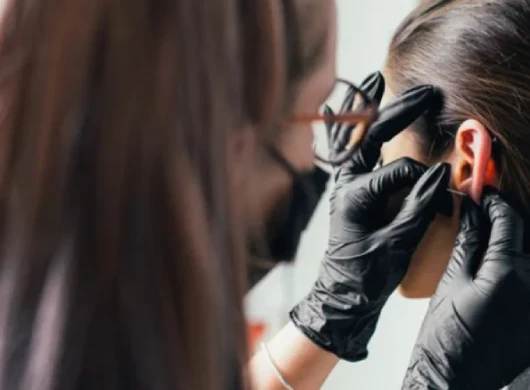

Ear piercing is a cosmetic procedure that creates a small hole in the earlobe to wear earrings or other jewelry. Though ear piercing is popular and widely available at jewelry shops, medical ear piercing ensures sterile techniques and fewer risks.
To create a precise hole, the procedure includes using sterile needles. The clinical ear-piercing treatment is usually quick and minimally painful. Professionals maintain proper hygiene and offer post-care instructions after the surgery to avoid complications.
Ear piercing can be done in several areas:
Professional ear piercing treatment has fewer chances of infection and improper healing. This procedure is appropriate for adults and children as well.
Ear Piercing Cost in Gurgaon (Per Ear) Rs. 3,500. The ear piercing treatment cost in Gurgaon depends on the type of piercing, the technique used, and the individual requirements of the patient. Several factors may influence the overall cost, including:
Professional ear piercing treatment offers various benefits to the patient:
Ear piercing treatment is usually safe, but like any other procedure, temporary side effects may occur:
Ear piercing treatment is usually suitable for most individuals:
Children and Adults seeking ear piercingIndividuals wanting multiple ear piercingsThose who are seeking safe medical ear piercingPeople with sensitive skinPeople wanting corrective re-piercingIndividuals seeking cosmetic ear enhancementEar piercing treatment follows a simple and safe process.
The specialist examines the ear during the consultation to discuss the desired areas for piercing
The area is marked to ensure the precise placement of the piercing
The specialist cleans and sterilizes the area with an antiseptic solution
To proceed with the piercing, a sterile needle or medical device is used to create the hole
Upon making the hole, jewelry is inserted immediately
The area is cleaned again during post-procedure cleaning to reduce infection risk
Patients receive healing and hygiene guidelines from the specialist for optimal results.
The healing period depends on the area of the piercing and the type of piercing done.
Piercing Type | Healing Time |
|---|---|
Earlobe piercing | 4-6 Weeks |
Cartilage piercing | 8-12 Weeks |
Upper Ear Piercing | 6-10 Weeks |
Multiple Piercings | It varies person to person |
Ear piercing treatment helps with several cosmetic concerns. Professional ear piercing ensures proper and aesthetic results:
Cosmetic ear enhancement
Uneven previous piercings
Closed piercing correction
Re-piercing after healing
Multiple ear styling
Symmetrical ear appearance
Ear jewelry placement improvement
Ear piercing includes minimal discomfort or pain. The minimal pain is usually short-lived and bearable.
When performed by a proficient specialist with sterile techniques, ear piercing is safe and well-carried out.
You can generally change earrings after 4-6 weeks for earlobe piercings
Yes, children and adults, regardless of age, can undergo ear piercings.
The specialist usually provides instructions on how to clean the piercing. Generally, it involves cleaning the piercing gently with an antiseptic solution twice every day.
The professionals recommend avoiding pressure on the newly pierced ear to prevent any complications or risks.
Medical-grade jewelry is recommended when the ear is pierced. It could be changed in the future as per the doctor’s advice.
If the pierced area is getting painful and the patient experiences swelling, pain, or discharge, one should consult the doctor.
There is no downtime for the procedure, and the normal activities can be resumed immediately.