
 09 Sep 2026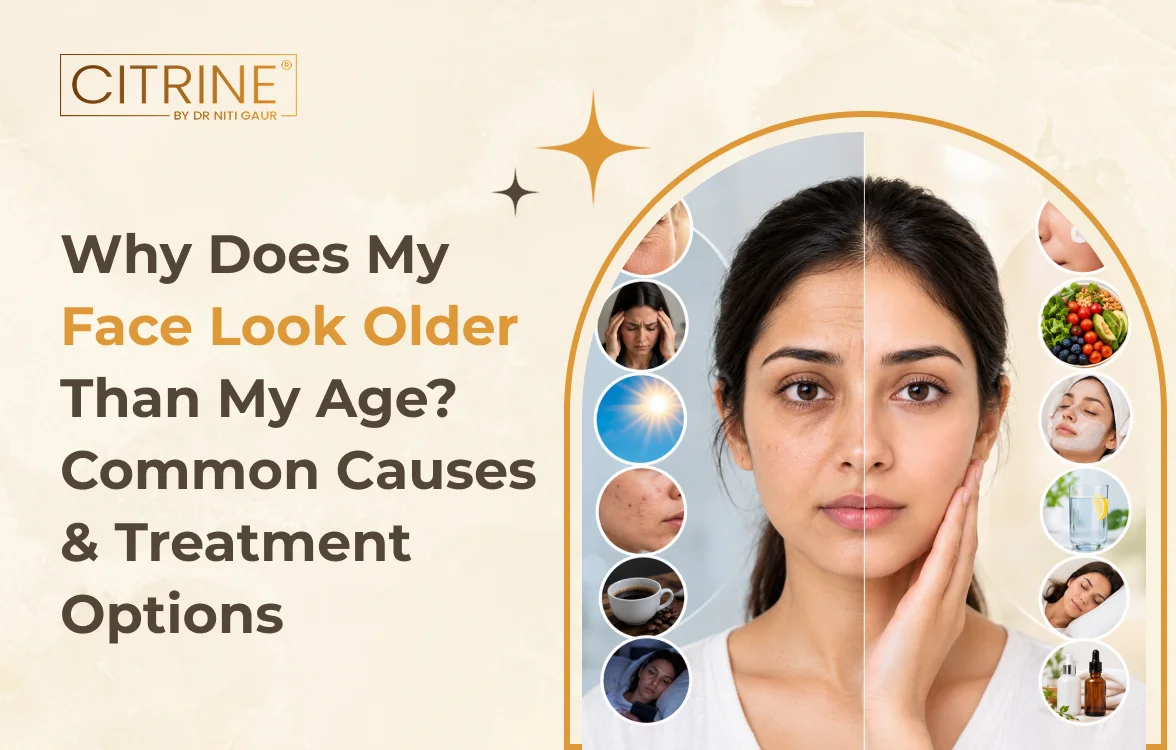
You're not really worn out or as old as your face makes you look. This is the case for most people. Fine lines, a dull complexion, uneven tone or texture, under-eye hollows, skin laxity or sagging, and loss of facial volume may be what makes you look older than your actual age.
In reality, facial aging is not determined by chronological age alone, but by other factors too, said Dr. Niti Gaur, an anti-aging expert in Gurgaon and founder of Citrine Clinic. Culprits for premature facial aging are genetics, UV and pollution exposure, natural skin quality, unhealthy lifestyle, hyperactive facial muscles, hormonal changes, sleep disturbance, facial structural changes, excessive stress, and dehydration.
Some changes that make the face look older result from natural aging, while others are driven by preventable factors. Knowing the usual causes of an older-looking face helps you choose the most appropriate long-term treatment plan that targets the root problem, not just temporary, superficial skin improvements.
Quick Summary
- Genetics, lifestyle, hormonal changes, and environmental factors can cause facial aging
- Prolonged UV exposure is a major cause of premature facial aging.
- Loss of collagen, elastin, and hyaluronic acid can cause fine lines, wrinkles, dullness, and uneven texture.
- Facial fat loss or redistribution can alter contours and cause under-eye hollowness.
- Excess melanin can cause dullness, pigmentation, and uneven skin tone.
- Stress, smoking, poor sleep, pollution, and inadequate nutrition or hydration can accelerate facial aging.
- A dermatologist consultation helps identify the cause, severity, and suitable treatment.
- A dermatologist-recommended skincare routine and treatment can help delay and improve signs of aging.
Why Does My Face Look Older than My Age?
Facial aging happens naturally and involves changes in the skin and underlying fat, muscles, ligaments, and bone structure.
The skin concerns usually noticed that make the face look older than actual age include:
- Fine lines and wrinkles
- Loss of skin firmness and resilience
- Loss of facial volume
- Lax or sagging skin
- UV-induced dullness or pigmentation
- Dehydrated or dull complexion
- Dark circles
- Under-eye hollows
- Thinner lips
- Sunken temples or cheeks
- Uneven skin texture
- Acne scars
- Lifestyle-related changes in facial appearance.
Identifying the primary reason is the first step towards choosing an appropriate treatment.
Most common contributors to premature facial aging are:
- Gradual loss of skin structural proteins- collagen, which is for skin firmness, and elastin, which is for elasticity
- Cumulative UV exposure
- Changes in facial fat distribution and volume
- Dehydration
- Inappropriate or inconsistent skincare routine
- Hyperpigmentation issues or uneven skin tone
- Structural, vascular, or pigmented dark circles
- Repeated facial expressions/facial movements
- Smoking habit
- Chronic stress
- Poor night sleep routine
- Significant or rapid weight loss.
How Do Dermatologists Identify the Cause of Your Older Facial Appearance?
During consultation, a dermatologist assesses:
- Skin texture and tone
- Skin elasticity
- Skin firmness
- Pigmentation
- Facial volume and symmetry
- Fine lines and wrinkles
- Under-eye appearance
- Lip and jawline definition
- Skin laxity or sagging
- Sun damage
- Facial proportions.
Furthermore, a dermatologist learns about your actual age, skincare routine, medical history, lifestyle, health status, previous treatments, and treatment expectations. They aim to know the dominant factor- whether it's skin quality, volume, laxity, environment, lifestyle, pigmentation, underlying muscle movement, or a combination of reasons.
How Can I Get Back a Younger Facial Appearance?
No fixed treatment can help everyone achieve a youthful face.
A dermatologist generally recommends:
- Personalized, medical skincare: This includes suitable sunscreen and customized skincare products containing Vitamin C, retin-oids, antioxidants, hydrating agents, or pigment-targeting ingredients. The skincare routine is personalized and should be consistent to combat early signs of aging.
- Chemical peels: These exfoliating acids improve dull skin, uneven skin tone, fine lines, superficial pigmentation, and certain mild acne marks. The strength and type of peel are chosen based on the skin type and the specific aging concern.
- Laser resurfacing: A suitable, modern laser is used to improve signs of photoaging, UV-induced pigmentation, and uneven texture through selective photothermolysis of excess melanin and stimulation of natural collagen.
- RF Microneedling: This combination approach stimulates collagen remodeling and provides deep skin tightening through controlled microinjuries and delivery of radiofrequency energy. It is best for fine lines, mild laxity, uneven texture, enlarged pores, and mild acne scars.
- Anti-wrinkle injections: These temporarily soften dynamic wrinkles by temporarily paralyzing hyperactive facial muscles that cause expression lines.
- Dermal fillers: Injectables containing hyaluronic acid or another collagen-boosting ingredient. They are chosen to restore facial volume and improve natural facial contours in some patients.
- Skin boosters and bioremodelling treatments: Specialized injectables that focus on improving skin hydration and quality, used when concerns include fine lines, dehydration, or poor skin quality.
- Energy-based skin tightening- Radiofrequency or ultrasound-based technology is considered for stimulating tissue remodeling and improving mild to moderate skin laxity and loss of firmness.
Can Youthful Facial Appearance Be Preserved for Long?
A healthier, younger-looking face can be supported by:
- Proper daily sun protection
- Breaking the smoking habit
- Maintaining a well-balanced diet and weight
- Drinking sufficient water
- Having a proper sleep routine
- Managing stress
- Regular exercising
- Following a proper skincare routine
- These measures are essential when undergoing professional facial treatment.
Read Also: Best Anti-Aging Treatments for Every Skin Type: Dermatologist Guide
Conclusion
When your face looks older than your actual age, it doesn't mean you have aged faster. Various factors like UV exposure, skin structural changes, loss of facial volume, lifestyle, repeated facial expressions, and pigmentation can influence how old your face looks in real life. Thankfully, these concerns are manageable.
A dermatologist can determine the most appropriate treatment based on the cause and extent of older facial appearance. So don’t just chase a new, popular anti-aging treatment. Know the primary cause of your older appearance and get a tailored treatment plan from an expert dermatologist.
If your face looks older than your actual age, Dr. Niti Gaur, dermatologist, can help identify the underlying causes and recommend a personalised anti-aging treatment in Gurgaon for healthier, younger-looking skin. Schedule a consultation to discuss your concerns and explore suitable treatment options.
Locate Citrine Clinic easily and explore verified patient experiences.
FAQs on Premature Facial Aging
Why does my face look older than my age?
Possible reasons include a decline in skin structural proteins, facial volume loss, dehydration, an unhealthy lifestyle, sun damage, pigmentation, or a combination of factors.
Can lack of sleep make me look older?
Yes, poor sleep at night can make the face look dull, puffy, or tired. If it continues for the long term, overall facial skin health, quality, and appearance can be affected.
Can a skincare routine help me look younger?
A proper, consistent skincare routine as recommended by a dermatologist can help with some early signs of facial aging. Still, it cannot correct considerable volume loss or advanced skin laxity.
Which treatment is best to get a younger facial appearance?
A dermatologist-recommended and performed treatment is usually the best if it's carefully planned and executed on suitable patients based on their concerns.
At what age should I get anti-aging facial treatment?
There is no specific age to start with anti-aging treatment. Preventive skincare can start at a young age, while professional cosmetic procedures should be considered based on concerns, not just because of age.
About the Author