
 06 Sep 2026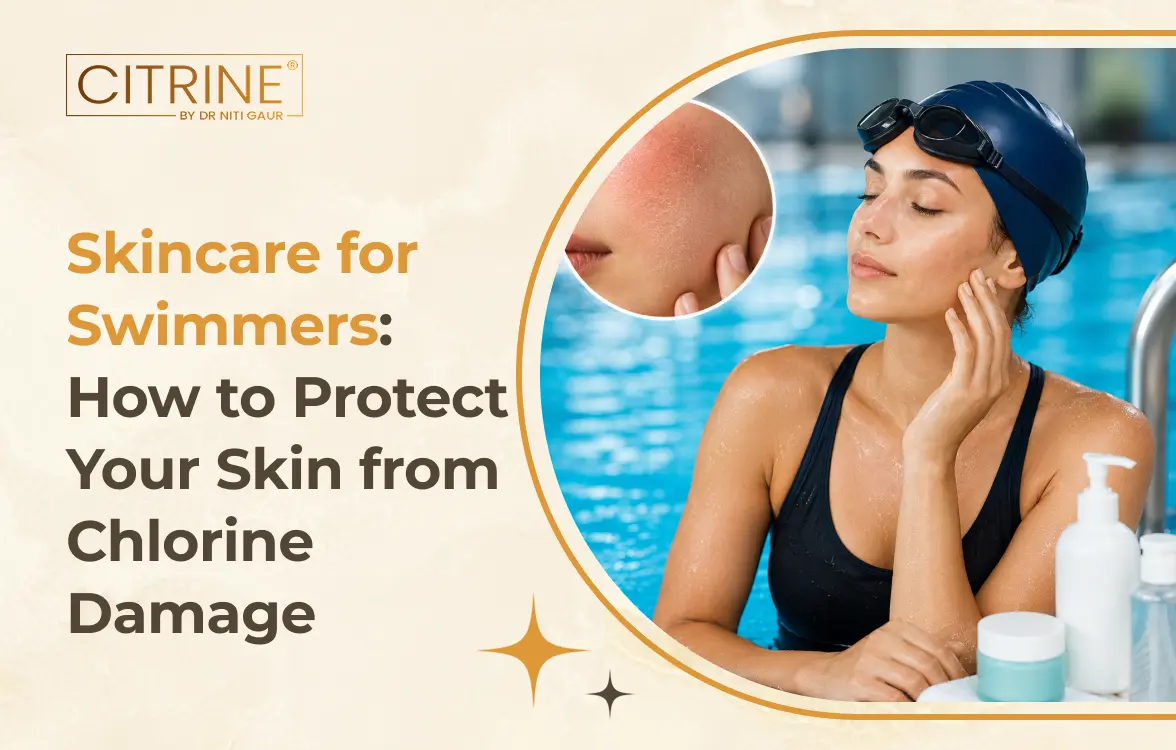
With Gurgaon’s growing fitness culture, swimming has become a popular year-round activity among people of all ages. Usually, many don’t realize that frequent swimming in pools can damage their skin. The pools have a large amount of chlorine to keep the water clean and free of microbes. Exposing unprotected skin to chlorine frequently can cause dryness, irritation, and other skin issues.
For swimmers, managing chlorine-related skin damage is important to maintaining healthy, comfortable skin. If chlorine skin damage is your concern, stopping swimming is not the answer; make sure you follow a dermatologist-recommended skincare routine to significantly reduce its impact on your skin.
In this read, Dr. Niti Gaur, dermatologist in Gurgaon, provides insights about chlorinated water-related skin damage and how to protect and maintain your skin condition and health without discontinuing swimming.
How Swimming in Chlorinated Pools Damages Your Skin?
Chlorine is used to disinfect the swimming pools. But when it repeatedly comes into contact with your skin, it can disrupt your skin’s natural protective barrier. As a result, the following concerns can show up:
- Dryness and dehydration
- Redness
- Sensitivity
- Itchy, irritated skin
- Rough, dull skin
- Acne flare-ups
- Severe eczema and dermatitis
- If the skin is already sensitive, these concerns can become more pronounced.
Signs that You Are Experiencing Skin Damage by Chlorine Water
If, after swimming, you spot anything unusual with your skin, it’s the chlorine that’s causing it.
Here are the early signs indicating chlorine skin damage:
- Tighter skin
- Flaking or peeling skin
- More sensitive skin
- Redness or irritation
- Dry or rough skin
- Persistent itching.
If you experience any of them, consult a dermatologist for proper treatment and guidance on your skincare before long-term skin damage occurs.
How Can You Protect Your Skin from Chlorine Damage?
Here is a dermatologist-recommended skincare routine for regular swimmers that you must practice.
Before Swimming:
- Rinse your whole body and face with fresh water.
Taking a shower before going into the pool will help saturate your skin with clean water, so less chlorinated water will be absorbed.
- Apply a water-resistant, lightweight moisturizer.
On the damp, clean skin, use a moisturizer containing ceramides, shea butter, hyaluronic acid, and glycerin to create a protective barrier and help prevent damage from chlorinated water.
- Wear water-resistant sunscreen.
Apply broad-spectrum, dermatologist-recommended sunscreen with SPF 30 or above at least 15 to 20 minutes before your pool entry. If having extended swimming sessions, reapply sunscreen as instructed.
After Swimming:
- Immediately take a shower.
Use a gentle, sulfate-free cleanser and lukewarm water to remove chlorine from the skin. Avoid harsh soaps, hot water, and scrubbing as these will further aggravate the skin condition.
- Moisturize the skin within minutes of a shower.
Lock in natural hydration after a shower by generously applying a moisturizer on still-damp skin. Use a moisturizer containing squalene, glycerin, ceramides, hyaluronic acid, or colloidal oatmeal to repair the skin barrier and soothe dryness.
- Use a hydrating serum if required.
If having extensive pool sessions, use serums containing hyaluronic acid, panthenol, or niacinamide to replenish the skin’s natural moisture and strengthen the barrier protection.
Weekly Routine:
If you are a regular swimmer, you must:
- Use a skin-nourishing face mask
- Use strong skin-hydrating and barrier-repair products
- Gently exfoliate your skin.
Some More Tips Recommended by a Dermatologist:
- Keep your body well hydrated to support overall skin health and avoid skin dryness
- Do not over-exfoliate the skin that is already stressed by chlorine exposure
- Wear long-sleeved, UV-protective swimwear to reduce sunlight and chlorine exposure
- See a dermatologist if any concerns persist despite a proper skincare routine
- Use only gentle, fragrance-free, non-comedogenic, pH-balanced, barrier-repairing skincare products, especially if you have highly sensitive skin, eczema, or dermatitis.
How Dermatologists Help Treat Chlorine-Damaged Skin?
If your skin has become extremely dry, irritated, or pigmented after swimming in chlorinated water, a dermatologist can provide a personalized skin treatment tailored to your skin type and concern.
Here’s what dermatologists generally recommend to treat chlorine-damaged skin:
1. Medical-grade skin moisturizing therapies- to combat the skin’s extreme dryness and repair the skin barrier
2. Chemical peels- to exfoliate and resurface the skin
3. Customized skincare routine- to target specific skin concerns with products suited to the skin type
4. HydraFacial- to deeply cleanse, exfoliate, and extract the skin while infusing targeted serums for skin barrier repair.
Read Also: Top 10 Summer Skincare Tips for Healthy Skin by Dermatologist
Our Patient Review can Help You Make Confident Decisions.
Final Thoughts
Swimming is a very good exercise to practice in summer. But if you are considering it, make sure you keep your skin protected from the chlorine damage. Chlorine present in swimming pools can make your skin dry, irritated, or prone to acne, eczema, or dermatitis.
Following a dermatologist-recommended skincare routine before and after swimming is highly recommended to enjoy pool sessions without worry of skin barrier damage.
Protect Your Skin While Enjoying Swimming
Swimming helps improve your overall health, but it must not compromise your skin.
If one is frequently experiencing skin dryness, inflammation, eczema flare-ups, itching, or skin discomfort after swimming sessions, then chlorine is affecting or damaging their skin.
A proper skincare routine and early help can ensure good skin health.
Concerned about chlorine-related skin damage? Schedule a consultation with Dr. Niti Gaur, the best dermatologist in Gurgaon, who can help protect your skin barrier and suggest the best ways to do so.
Learn more about Citrine Clinic through our Google Maps profile and patient reviews.
FAQs on Skincare for Swimmers
Can chlorine permanently damage the skin?
Mostly, chlorine skin damage is temporary and can be corrected with a dermatologist-recommended skincare routine. But if there is unprotected, long-term exposure of the skin to chlorinated swimming pool water, the skin barrier can become too weak, and the existing skin condition can also become serious.
Can swimming in a chlorinated pool cause acne?
Swimming itself will not cause acne. However, if the skin is not properly cleansed after swimming, chlorine residue can mix with sweat and sunscreen, clogging pores and causing acne breakouts.
Why does my skin feel tight after swimming?
The skin feels tight due to chlorine absorption, which further strips it of its natural oils, responsible for plump skin.
Can I swim with eczema-affected skin?
Yes. But after swimming, the dermatologist's skincare routine must be strictly followed to avoid extreme, persistent dryness and irritation.
What skincare product ingredients are best to repair chlorine-damaged skin?
Using products containing colloidal oatmeal, ceramides, glycerin, hyaluronic acid, or squalene can help restore the skin’s lost hydration, repair damage, and strengthen the skin barrier.
Should I moisturize my skin before or after swimming?
Skin needs a suitable moisturizer application both before and after swimming. Before swimming, some level of protection against chlorine damage is essential, and after swimming, one needs to replenish moisture and support skin barrier protection.
About the Author