
 25 Mar 2026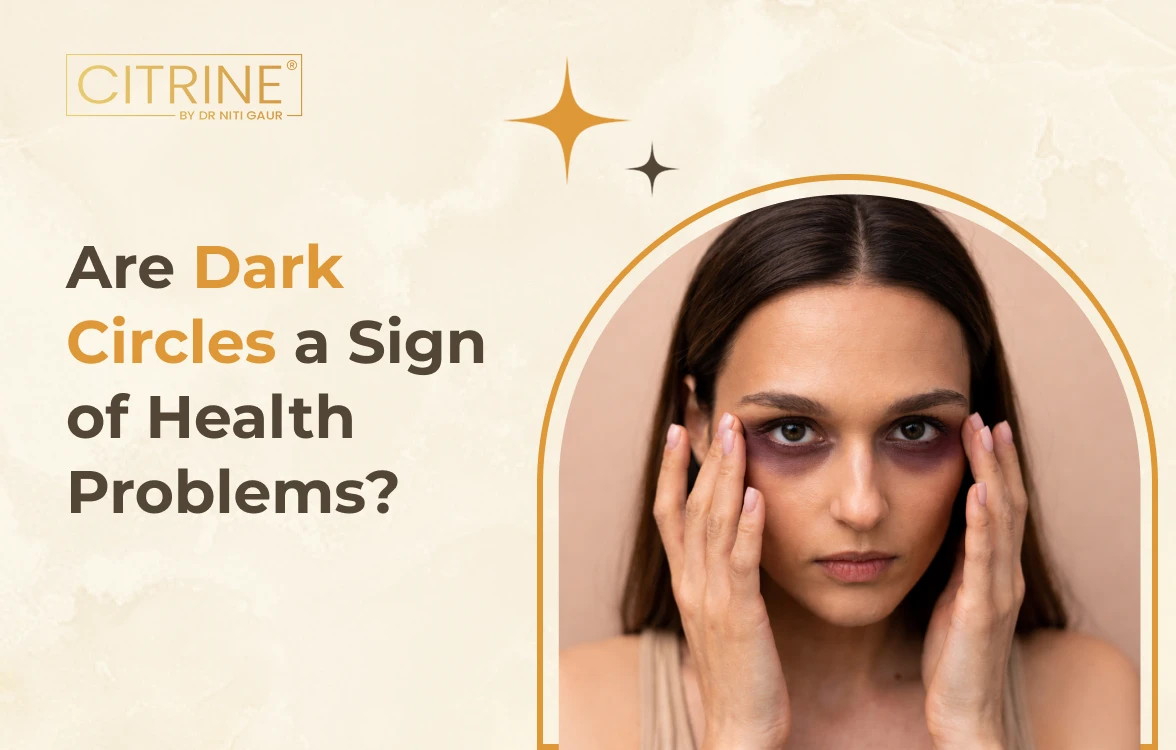
Dark circles are one of the most common skin concerns today. Almost everyone experiences dark circles at some point. They can make you look tired, dull, or older than you feel.
But here’s the big question: Are dark circles just a cosmetic issue, or do they signal an underlying health problem? Let’s understand this in this blog.
What Are Dark Circles?
Dark circles are the darkened areas under your eyes. They may appear:
- Brown
- Black
- Blue or purple
- Slightly sunken or puffy
The skin under our eyes is extremely thin. Because of this, even small changes in your body can show up here first.
Are Dark Circles Always a Sign of Health Problems?
No. Dark circles are not always a sign of health problems.
In most cases, dark circles are harmless. They are usually caused because of genetics or lifestyle changes. However, dark circles may be associated with health problems, depending on the cause. Therefore, the key is understanding the cause.
Common Causes of Dark Circles
Now, let’s try to identify the most common causes of dark circles:
1. Lack of Sleep
This is the most popular cause of dark circles. When you don’t get enough sleep, your skin becomes pale, blood vessels appear prominent, and the area under your eyes darkens. Even a few nights of not sleeping properly can make a huge difference.
2. Genetics
Sometimes, dark circles run in families.
If your parents have them, you are more likely to have them too. This is due to:
- Skin thickness
- Pigmentation patterns
- Bone structure
In such cases, they are not a health concern.
3. Pigmentation
Some individuals have extra pigmentation under their eyes. This is common in Indian skin tones and people with melanin-rich skin. This type of dark circle looks brown and is usually harmless.
4. Screen Time & Eye Strain
Spending too much time in front of your phone or laptop can strain your eyes. This can lead to dilated blood vessels, and appearance of dark circles. This is very common in today’s generation, especially in working professionals.
5. Aging
As we age:
- Skin becomes thinner
- Fat under the eyes reduces
This makes blood vessels more visible, creating a darker appearance.
6. Allergies
Allergies can cause:
- Itching
- Rubbing of the eyes
- Inflammation
This leads to darker under-eyes.
When Can Dark Circles Indicate a Health Problem?
Now let’s talk about the important part.
Sometimes, dark circles can be a sign of an underlying issue.
1. Iron Deficiency (Anemia)
If iron is deficient in the body, the following will occur:
- Supply of oxygen to tissues will decrease
- Skin will become pale
- Area under the eye will darken
Symptoms to look out for: tiredness, weakness, dizziness
2. Dehydration
If an individual is dehydrated, meaning they are not consuming enough water, their skin tone might look dull, which will enhance the appearance of dark circles under the eyes.
3. Thyroid Problems
In some instances, thyroid disorders can cause skin tone to change, which might worsen the dark circles under the eyes.
4. Chronic Stress
Long-term stress affects your hormones.
- This can:
- Disrupt sleep
Impact skin health
This results in visible dark circles.
5. Poor Diet
A diet lacking in vitamins, iron and nutrients can affect your skin and cause dullness under the eyes.
How to Identify the Type of Dark Circle
Not all dark circles are of the same kind. Understanding their type helps in treating them.
- Pigmented (Brown): Due to the presence of melanin and common in Indian patients
- Vascular (Blue/Purple): Due to the presence of visible blood vessels and associated with sleep and fatigue
- Hollow/Sunken: Due to volume loss and associated with aging
- Puffy: Due to fluid retention or allergies
Every type requires a different approach.
Can Dark Circles Be Treated?
Yes, they can be improved but treatment depends on the cause.
Simple Lifestyle Fixes
Start with these simple changes:
- Sleep 7-8 hours a day
- Stay hydrated
- Limit screen time
- Eat a balanced diet
- Don’t rub your eyes
Skincare That Helps
Look for the following ingredients in your skincare product:
- Vitamin C, which has brightening effects
- Caffeine, which reduces puffiness
- Hyaluronic acid, which provides hydration
- Retinol, which improves texture
Professional Treatments
If home remedies do not help, various treatments can be effective too.
At Citrine Clinic, treatments are tailored according to your skin type and concern.
They may include:
- Chemical peeling for pigmentation
- Under-eye fillers for hollowness
- Laser treatments for pigmentation and vessels
Hydration treatments
When Should You See a Dermatologist?
You must seek help of a dermatologist if you experience:
- Dark circles developing suddenly
- Dark circles worsening
- Constant tiredness
- Remedies at home are not working effectively
A dermatologist can help you through the right diagnosis and treatment.
Final Thoughts
Dark circles are extremely common, and most of the time, they are harmless. Usually, dark circles are associated with your lifestyle, genetics, or your skin type.
At times, dark circles may be an indication of something serious, such as anemia, dehydration, or even stress.
However, dark circles can be effectively controlled with the right kind of care, good habits, and appropriate guidance.
FAQs
1. Can a lack of vitamins cause dark circles?
Yes. Deficiencies in Vitamin B12, Vitamin E, Vitamin K, and Vitamin D are strongly linked to skin dullness and dark circles. Iron deficiency is the most common nutritional cause.
2. Why do my dark circles look worse in the morning?
This is usually due to fluid retention. When you lie flat, fluid collects under the eyes. This usually improves after you’ve been upright for an hour or two.
3. Does drinking water actually help remove dark circles?
If your dark circles are caused by dehydration (skin looking sunken and dull), then yes, increasing water intake will make the skin look plumper and brighter.
4. Are dark circles permanent?
It depends on what causes them. If the causes are genetic, then yes, they are permanent, although they can be greatly lightened by clinical treatment. If the causes are lifestyle or medical-related, then yes, they do disappear after treatment of the underlying causes.
5. When should I see a doctor about my dark circles?
You should consult a dermatologist if the darkness is only under one eye, if there is significant swelling, or if the area is itchy, painful, and red.
6. Can eye creams really cure dark circles?
Most over-the-counter creams only hydrate the surface. They won't fix hollow eyes or medical problems like anemia. If you want results, you will need medical-grade products such as Retinol, Vitamin C, etc.
7. Is screen time related to under-eye shadows?
Yes. Digital eyestrain leads to increased blood flow to the eye area, which can cause the veins under the thin skin around the eye to appear much darker than usual.
About the Author