For purchasing cosmetic products
Acne Treatment in Delhi
Quick Appointment
Captcha

Acne Treatment in Delhi

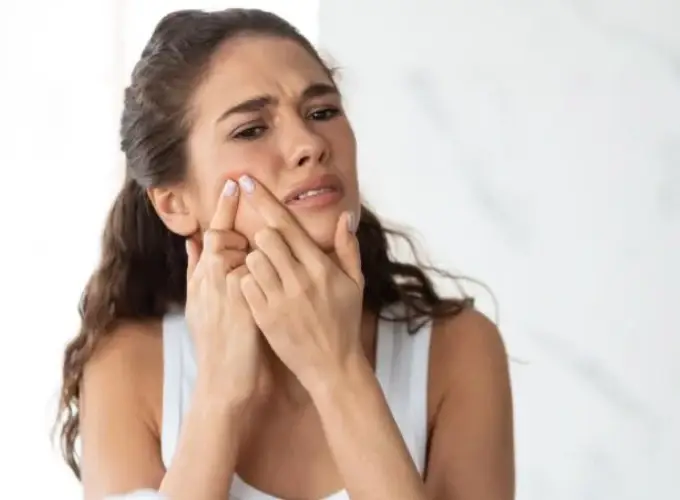
Acne breakouts are too common due to modern diets, stressful lives, and pollution. With the increased prevalence of acne and its impact on aesthetics and confidence, there is a booming demand for getting clear skin without downtime. Due to the advanced acne treatments available, more and more acne sufferers are visiting the Citrine Clinic and opting for acne treatment in Delhi provided by an expert dermatologist.

Are you having stubborn acne flare-ups? Citrine Clinic can help you manage acne safely and effectively with the most appropriate treatment.

Summary: Acne Treatment in Delhi

Acne, the familiar medical skin concern, is classified into different types based on severity and cause. Each type requires a different treatment approach. In general, comedones can be treated with extraction, and inflammatory acne can be treated with prescription topicals, oral medications, or in-office procedures. Seeing a dermatologist is essential for moderate to severe acne that could cause scarring. At Citrine Clinic, you can receive an accurate diagnosis and tailored, affordable acne treatment in Delhi. The cost of the treatment starts from INR 3,000, and the treatment is provided by skin experts with precision and safety.

What is Acne?

Acne, or acne vulgaris, is one of the most common medical skin problems that most often develops in oily areas of the face, upper back, chest, and shoulders. It is the clogging of pores or plugging of hair follicles.

Acne breakouts can be mild, non-inflammatory skin lesions like blackheads (open comedones) and whiteheads (closed comedones), moderate, like inflammatory papules and pustules, or severe, like nodules and cysts that could cause scarring.

Types and Symptoms of Acne

  1. Blackheads- These are the superficially open, plugged pores having oxidized cell debris and sebum.
  2. Whiteheads- These are the superficially closed, under-the-skin forming plugs that appear as white bumps.
  3. Papules- These are small, red bumps that are tender to the touch.
  4. Pustules- These are pus-filled papules- white/yellow-centred, red-base bumps.
  5. Nodules- These are the hard, painful, large lumps that are deeply embedded in the skin.
  6. Cysts- These are the pus-filled nodules, very deep-seated lumps.
  7. Other types of acne, linked to cause, include hormonal and fungal acne.

Causes and Triggers of Acne

Acne, in general, is the clogging of pores or the plugging of hair follicles. When clogging is caused by excess sebum (natural skin oil), skin cell debris, and impurities/dirt, the result is comedones. But, if bacteria that naturally reside on the skin also overgrow and clog the pores, the result is inflammatory acne breakouts- the papules, pustules, nodules, and cysts.

The potential triggers for acne breakouts include:

  • Picking at the skin
  • Hormonal fluctuations
  • Certain medications
  • Tight clothing or headgear
  • Poor diet or excess of sugary/salty/oily/processed foods intake
  • Persistent exposure to toxins and high humidity
  • Use of greasy products or routine contact with oils/grease
  • Excessive stress- the cortisol hormone that induces sebum production.

Top Professional Acne Treatment Options

For mild acne breakouts such as comedones, a professional comedone extraction is recommended to avoid post-acne marks. A dermatologist suggests topical treatments and a proper skincare/lifestyle routine. But if these fail to clear the skin, as in moderate acne, prescription oral medications are recommended. If that too fails, as in the case of severe acne, an in-office visit becomes important.

First Line Treatment (Prescription Topicals)

Mild acne forms can be best treated by the use of:

  • Benzoyl peroxide- It kills acne-causing bacteria while lessening inflammation.
  • Salicylic acid- It exfoliates the skin, unplugs the pores of its sebum.
  • Retin-oids- It increases skin cell turnover, thus preventing cell debris build-up.
  • Topical antibiotics- They inhibit the growth of acne-causing bacteria and reduce under-skin inflammation.

Second Line Treatment (Oral Prescription Medications)

  • Moderate acne forms can be treated by:
  • Systemic antibiotics
  • Isotr-etinoin, like Accu-tane- strong oral retin-oid
  • Anti-and-rogen/birth-control pill or hormonal therapy (only for hormonal acne in women)

Third Line Treatment (Dermatological Procedures)

Severe acne forms can be treated by:

  • Chemical peels- The use of exfoliating acid solutions, as per the depth of acne/clogging of pores. It helps clear pores and refines texture.
  • Light/laser treatments- Blue/red light or laser light can generate enough heat to kill acne-causing bacteria, shrink sebaceous glands, reduce sebum production, and further re-texture the skin with collagen and elastin.
  • Corticosteroid injections- These work for large, painful cysts by reducing inflammation and avoiding scarring.

Key Benefits of Professional Acne Treatment

  • Targeted solution providing faster relief
  • A clearer, healthier complexion
  • Prevention of acne scars
  • Less inflammation
  • Address the root cause of acne
  • Better overall skin clarity and texture
  • Safe and effective skincare
  • Enhanced self-esteem and confidence.

At-Home Care Tips to Reduce and Manage Acne Breakouts

  • Keep the skin clean by using a gentle cleanser twice daily with normal or lukewarm water. Do not keep the makeup overnight
  • Maintain a healthy diet, active lifestyle, proper hydration, well-rested sleep, and stress-free routine
  • Try natural remedies that have anti-bacterial effects or help remove extra oil from the pores
  • Maintain the skin’s moisture without letting heavy moisturisers clog the pores
  • Use only non-comedogenic makeup, sunscreen, and other skincare products
  • Keep dirty hands off the acne. Avoid picking, scratching, or rubbing affected skin
  • Post workouts, make sure to shower and cleanse the face and body
  • See a dermatologist for acne and its scars treatment.

Acne and Its Treatment FAQs: Common Questions Answered

Which is the best acne treatment?

Everyone's acne and skin type are different. In many cases, lasers and topical treatments work for some, and sometimes only medications may work. Hence, if you are seeking relief from acne, based on its severity, a skin expert at Citrine Clinic, an acne treatment clinic in Delhi, can help you find the best treatment.

How long does it take for acne to go away with and without treatment?

Some types of acne can resolve on their own within 1-2 weeks of appearance under how long it takes for acne to go away. With consistent, right medical treatment by a skin specialist, acne can show significant improvement in 4-12 weeks. Deep or severe acne usually takes the maximum time to optimally respond to treatment.

How will I know that I need acne treatment?

If you are struggling to achieve healthy, clear skin despite consistent self-care and over-the-counter products, it is an indication of the need for an effective acne treatment from a dermatologist.

When should I see a dermatologist for acne?

Seek medical attention for acne if having persistent acne, widespread acne, sudden onset of severe acne, risk of acne scarring, and a lot of stress, esteem, and anxiety caused by breakouts.

How much is the cost of acne treatment in Delhi?

Acne severity, the chosen treatment plan/technology, the targeted area size, the number of sessions required, and the clinic/provider's expertise and location determine the cost. At Citrine Clinic, the cost for acne treatment starts from INR 3,000, which is pocket-friendly and competitive.

Request An Appointment
undefined
Citrine Clinic
Location

SCO- 19, Huda Market Road, Sector 15 Part 2,
Market Gurugram, Haryana 122001, India.

Clinic Timing: Monday - Sunday: 9:00 AM - 8:00 PM
Phone: +91-9868649805 | +91-9810652808 | +91-8042302681
Email: info@citrineclinic.com

For purchasing cosmetic products
callimage
Request An Appointment