

 15 Oct 2026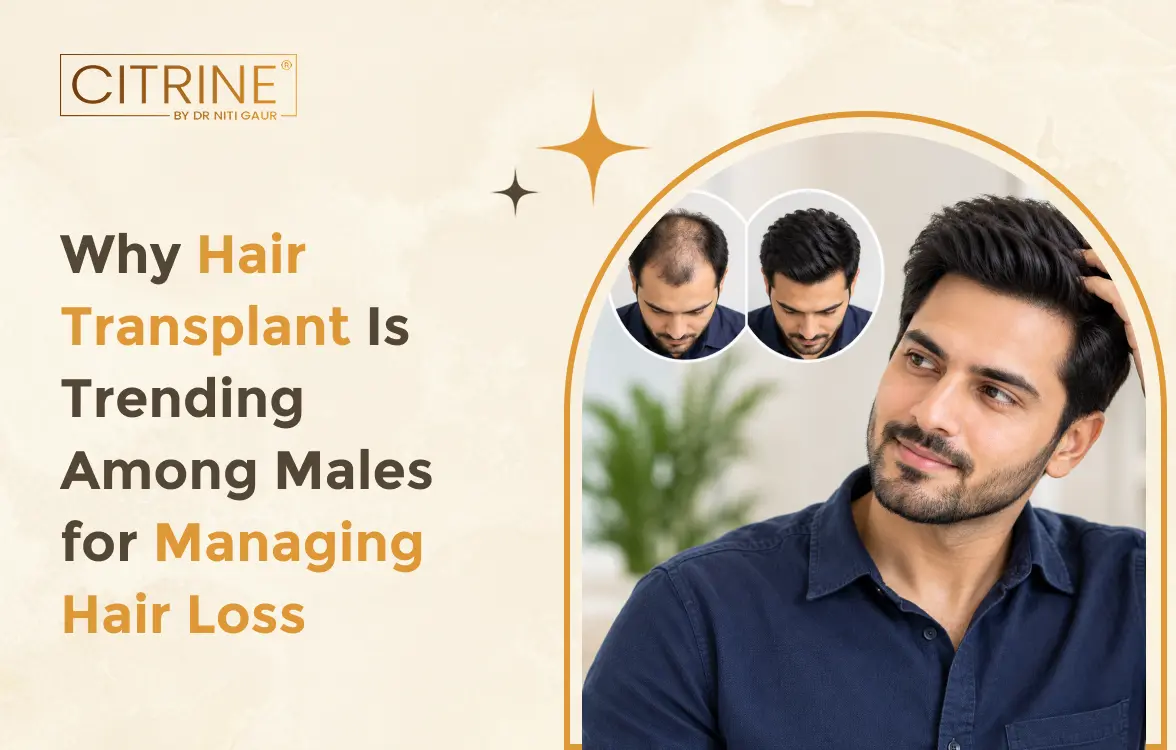
Noticing hairline recession, a thinning crown, a widening part, or bald spots/patches is upsetting for most men. Hair loss can make them feel bad about their appearance and lower their social confidence. Furthermore, they feel disappointed when no medicated shampoo/conditioner, hair oils, supplements, or topical/oral medications help restore hair in areas where follicles have been lost. This is why hair transplants are trending among men for managing hair loss.
Modern hair transplants in Gurgaon, performed precisely by experts, can move healthy, DHT-resistant hair follicles from the donor site (back or side of the scalp) to hair-thinning or balding sections of the scalp.
This allows hair to grow naturally in areas where hair density has been permanently, significantly lost. However, success depends on the diagnosed hair loss type, the cause and stability of hair loss, healthy donor hair availability, the surgeon's artistry and expertise in hairline creation, and appropriate long-term hair loss management.
Quick Summary
- Hair transplant is an established solution for male hair loss
- It can restore a natural-looking hairline and density
- Modern FUT and FUE techniques enable permanent hair restoration
- Transplanted follicles reduce the need to camouflage bald areas
- Lasting, realistic hair growth improves appearance and satisfaction
- Hair grows gradually over around one year
- Medical treatment may still manage ongoing native hair loss
- Customized planning requires sufficient donor hair and realistic expectations.
Why is Hair Loss So Common in Men?
One of the most common reasons for hair loss in men is progressive, pattern hair loss governed by genetics and hormones and accelerated by stressful, unhealthy lifestyles.
Men with pattern baldness usually notice:
- Gradual, visible reduction in overall hair density
- Receding frontal hairline
- Thinning at the temples
- Widening area at the crown
- More visible scalp/bald patches.
With early diagnosis, some medical treatments may help slow the gradual hair loss and preserve the existing healthy hair. But when there is established baldness, hair growth medications or therapies do not restore all the lost hair, and so ultimately hair transplant becomes the ideal solution.
Why is Hair Transplant Trending Among Males?
Most male hair loss sufferers are looking forward to hair transplantation, as this approach offers the following benefits:
- Natural Hair Restoration
Modern hair transplantation involves implanting viable, individual hair follicles or small follicular units in the direction, angle, and distribution of the existing hair growth pattern. Strategic placement of hair follicles based on the patient’s hairline shape, facial anatomy/proportions, existing hair density, and future progression of hair loss helps the restored hair blend with existing hair.
- Autologous Hair Grafting
The implanted hair follicles often come from the back or sides of the patient's scalp. Because the patient’s own hair is relocated to areas affected by pattern hair loss, they no longer need a matching artificial hairpiece or another person’s hair to conceal thinning or baldness. A good hair transplant also preserves the donor hair, which is valuable for future transplants.
- More Personalized Modern Hair Transplant Techniques
There are two standard approaches for hair transplants:
- FUT (Follicular Unit Transplantation)- It involves removal of a scalp strip containing donor hair follicles, which is then dissected under a microscope to harvest healthy individual hair follicle units. It produces more hair grafts but leaves a noticeable scar at the harvest site. So, it's best for those seeking restoration of larger areas of baldness and who prefer to keep a longer hairstyle.
- FUE (Follicular Unit Extraction)- It involves directly removing individual hair follicular units from the donor site and transplanting them into the recipient area using a micro punch tool and a special implanter. It is attractive to men who need fewer grafts and prefer shorter hairstyles.
- Long-Lasting Hair Restoration for Different Patterns of Male Hair Loss
When healthy hair follicles are carefully selected from areas genetically resistant to the pattern of hair loss and appropriately transplanted, they can continue to produce healthy hair in areas affected by hair loss. But non-transplanted areas continue to thin due to the underlying hair loss condition, so medical management is required for life.
When there is adequate donor hair available and stable hair loss, a hair transplant strategically:
- Restores the receding hairline and temples
- Improves front hair loss coverage
- Restores thick, dense crown area
- Improves selected areas of diffuse hair thinning and bald spots/patches.
Can All Males Manage Hair Loss with Hair Transplant?
No. A hair transplant isn't for every hair loss patient.
Males who can benefit from a hair transplant are those who:
- Are diagnosed with pattern baldness, which can only be corrected with a hair transplant
- Have no extensive baldness, inflammatory or scarring forms of alopecia
- Have good overall health and no active scalp conditions
- Have enough healthy donor hair
- Have a stable hair loss pattern
- Hold realistic expectations about the results.
To confirm candidacy, you need a consultation with a hair restoration expert, a detailed evaluation, and some medical investigations.
Conclusion
Hair transplants are trending among men because today's transplants are more sophisticated, personalized, and natural-looking. They provide long-lasting hair restoration with the patient’s own hair. Advancements in FUT and FUE techniques have also made it possible to design individualized hairlines and use limited donor hair strategically. A successful hair transplant requires appropriate timing, planning, and execution, along with long-term medical management for hair loss.
If you are suffering from pattern hair loss, relief is not necessarily a trending hair transplant. Get a detailed consultation with a top-rated hair restoration specialist in Gurgaon, Dr. Niti Gaur at Citrine Clinic, to find the best-suited hair loss management treatment plan, rather than rushing into advertised hair transplant approaches.
FAQs on Increased Demand for Hair Transplant Surgery in Males
Why are most men going for hair transplants?
Modern hair transplants are one of the best non-surgical, natural, long-term hair restoration options for addressing pattern hair loss using the patient’s own hair.
When can men see hair transplant results?
Patience is needed, as meaningful results typically appear in about 6 to 9 months. Some may have appreciable results in up to a year. In the early weeks, shedding transplanted hair does not mean failure, so you can't judge final results immediately after hair transplantation.
Is FUE better than FUT for males with hair loss?
Neither hair transplant technique is universally better. Both approaches have benefits and drawbacks, and patients choose based on donor site, graft requirements, clinical assessment, and hairstyle preferences.
Will men going for a hair transplant need another hair loss treatment?
Yes, they may. This depends on their diagnosis. Medical treatments may be needed before or after a hair transplant to slow hair loss progression and preserve native hair long-term.
Why Younger Males Are Not Always Immediately Recommended for Hair Transplant?
Males with hair loss in their 20s are usually not ideal candidates because their hair loss may still be progressing. If they do get a hair transplant, the treated bald area may still lose some hair follicles, creating an unnatural overall appearance. It may even use up valuable donor hair, which could be needed later. Therefore, the right time to consider a hair transplant is when the hair loss pattern is established, there is enough donor supply, and expectations are realistic.
About the Author