

 21 Oct 2026
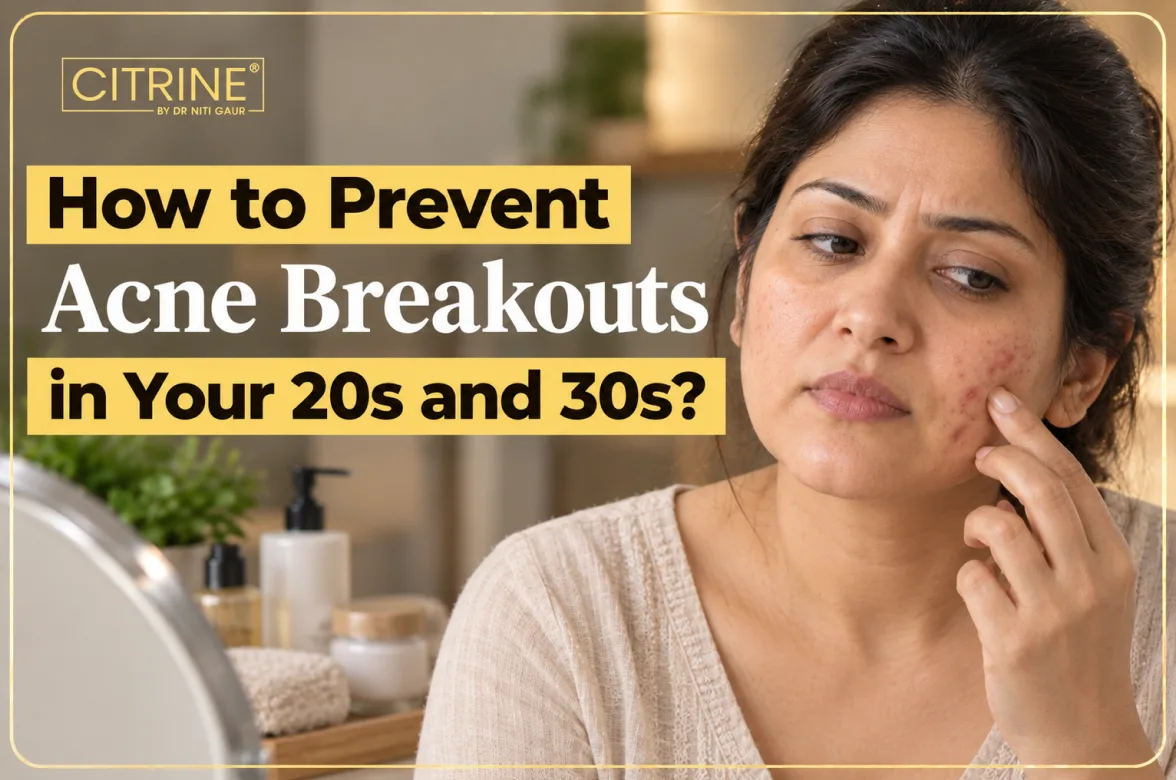
Acne in your 20s and 30s is more prevalent than most people think. This acne is often termed as adult acne, and the best part is understanding triggers and following a proper skincare routine can help prevent frequent breakouts. Acne in this phase of age 20s-30s, mostly shows up on the forehead, cheeks, jawline, chin, or back, and it can be annoying when it keeps coming back despite a proper skincare routine.
Adult acne has several potential triggers, including stress, skincare routine, hair products, sweat, friction, hormonal fluctuations, certain medications, and genetics. Knowing these triggers and making simple changes to your skincare and daily habits can help reduce the risk of recurring breakouts. If you think that frequent washing can help, you are mistaken. Excessive cleansing, scrubbing, or use of multiple actives can irritate the skin and make acne breakouts intractable.
If you are dealing with the same recurring breakouts, consulting acne treatment doctor in Gurgaon, Dr. Niti Gaur at Citrine Clinic can help. She recommends a consistent, skin-type-appropriate skincare routine and early, tailored treatment to manage recurring adult acne. They focus on controlling flare-ups and minimizing the risk of stubborn post-acne marks and scars.
Quick Summary
- Daily, gentle cleansing removes extra sweat, oil, and impurities that clog pores.
- Non-comedogenic products reduce the risk of pore congestion.
- Acne-friendly skincare actives prevent pore clogging and inflammation.
- Daily sunscreen use prevents prominent post-acne marks.
- Identifying and managing triggers prevents repeated acne breakouts.
- Dermatologist evaluation is essential for stubborn, recurring, or painful acne.
Why Do You Still Get Acne in Your 20s and 30s?
Acne in adulthood occurs due to multiple reasons, like:
- Hormonal fluctuations- High levels of androgens, the male sex hormone, make sebaceous glands more sensitive, grow larger, and release more sebum, the natural skin oil. In women, premenstrual and pregnancy acne breakouts happen due to high progesterone, which stimulates the oil glands' activity. Stressed individuals have high cortisol levels, which trigger inflammation and stimulate the skin’s oil production. Such cases of hormone-induced oil production increase the risk of acne breakouts, usually on the lower face, chin, and jawline.
- Stress- In addition to causing hormonal imbalance, stress causes low-grade inflammation and disrupts sleep and daily habits, which can make acne flare up more often.
- Use of comedogenic products- Daily use of heavy makeup or creams, unsuitable sunscreen, heavy hair products, or inappropriate oils may cause acne in people with oily skin.
- Sweat and friction- Tight face masks, straps, helmets, and collars; strenuous workouts; and prolonged, excessive sweating can cause pore congestion or acne-like breakouts.
- Genetics- If a close blood relative had stubborn acne, you may inherit the tendency.
How Can You Prevent Acne Breakouts in Your 20s and 30s?
Dermatologists recommend the following:
- Gentle Cleansing: Use a mild cleanser suited to your skin type and wash your face twice daily. If your face is sweaty, wash it, but not repeatedly, as excessive cleansing can irritate the skin barrier.
- Use Non-Comedogenic Products: Use moisturizers, sunscreens, and makeup labeled non-comedogenic to avoid pore congestion. Introduce products slowly, based on what your skin can tolerate.
- No Skipping Moisturizer: Acne-prone skin needs a lightweight moisturizer to support the skin barrier and natural recovery, especially if acne treatments cause dryness or irritation.
- Use of Targeted Topicals: Based on the acne type and skin sensitivity, acne can be managed with products containing salicylic acid, adapalene, azelaic acid, and benzoyl peroxide. However, using multiple strong actives at once can irritate acne-affected skin. If acne persists, consider professionally recommended topicals or procedures.
- Daily Sun Protection: Broad-spectrum sunscreen does not directly help prevent every acne breakout. But daily use of suitable sunscreen is necessary for acne-prone skin to prevent additional damage, inflammation, pore blockage, and hyperpigmentation.
- No Picking of Pimples: Squeezing, popping, or picking inflammatory acne breakouts can deepen inflammation and lead to long-lasting dark marks, scarring, and even secondary infection. So, let existing acne heal naturally or treat it early with appropriate care.
- Keeping Hair Products Away from Face: Hair styling products, hair oils, and hair conditioners can sometimes cause small bumps around the temples, forehead, and hairline because of irritating or comedogenic ingredients.
- Having Clean Personal Belongings: Anything that comes into contact with the face frequently must be kept free of sweat, oil, and product residue. So, regularly clean pillowcases, makeup brushes, mobile phones, helmets, face masks, and other frequently touched surfaces.
- Keeping Track of Acne Triggers: Knowing the acne pattern can make treatment more targeted and effective. So, track when acne flares up, assess possible causes, and choose a treatment plan that addresses the underlying cause.
- Early Treatment of Recurring Acne: If acne breakouts happen repeatedly, don’t wait for the active acne to disappear. Repeated inflammatory acne breakouts increase the risk of stubborn post-acne marks and scarring. So, treat acne early to keep acne flare-ups under control.
Skincare Mistakes to Avoid for Acne-Prone Skin
- Over- or aggressive skin exfoliation
- Too frequent switching of skincare products
- A complicated routine with too many actives
- At-home, natural remedies.
Final Thoughts
It’s not obvious that acne breakouts will disappear after teenage years. In your 20s and 30s, acne breakouts can occur due to hormonal imbalance, stress, genetics, comedogenic skincare products, sweat, friction, and other triggers.
Thankfully, with a dermatologist-recommended skincare routine for acne-prone skin, you can avoid acne flare-ups. But if acne still shows up, don’t keep trying new skincare products; instead, see a dermatologist to identify the trigger and pattern and get a personalized treatment plan to control breakouts and reduce their consequences.
Recurring acne in your 20s or 30s needs more than trial-and-error skincare. At Citrine Clinic, Dr. Niti Gaur, a dermatologist in Gurgaon, can identify your acne triggers, assess your skin, and recommend a personalized treatment plan to control breakouts and reduce the risk of persistent marks and scarring.
Schedule a visit for details.
Visit Citrine Clinic Gurugram located at SCO-19, Huda Market Road, Sector 15 Part 2, Market Gurugram, Haryana 122001.
FAQs on Preventing Acne Breakouts in Your 20s and 30s
Is it normal to have acne in your 20s and 30s?
Yes. Many young adults develop acne due to hormonal changes, stress, genetics, medications, and skincare products.
How can I prevent hormonal acne?
Follow a proper skincare routine and get appropriate acne treatment. If acne shows up repeatedly in a hormonal pattern, see a dermatologist to determine whether hormonal therapy is needed.
Can frequent face wash help prevent acne breakouts?
Not really. Overwashing your face or using harsh cleansers can irritate the skin and worsen acne.
How can I avoid acne caused by skincare products?
Use products with acne-friendly ingredients. Look for only lightweight, non-comedogenic formulations.
Which is the best way to prevent adult acne?
There is no fixed best skincare routine or professional treatment. Dermatologists recommend identifying triggers, being consistent with gentle skincare, and treating recurring acne early.
About the Author