

 14 Mar 2026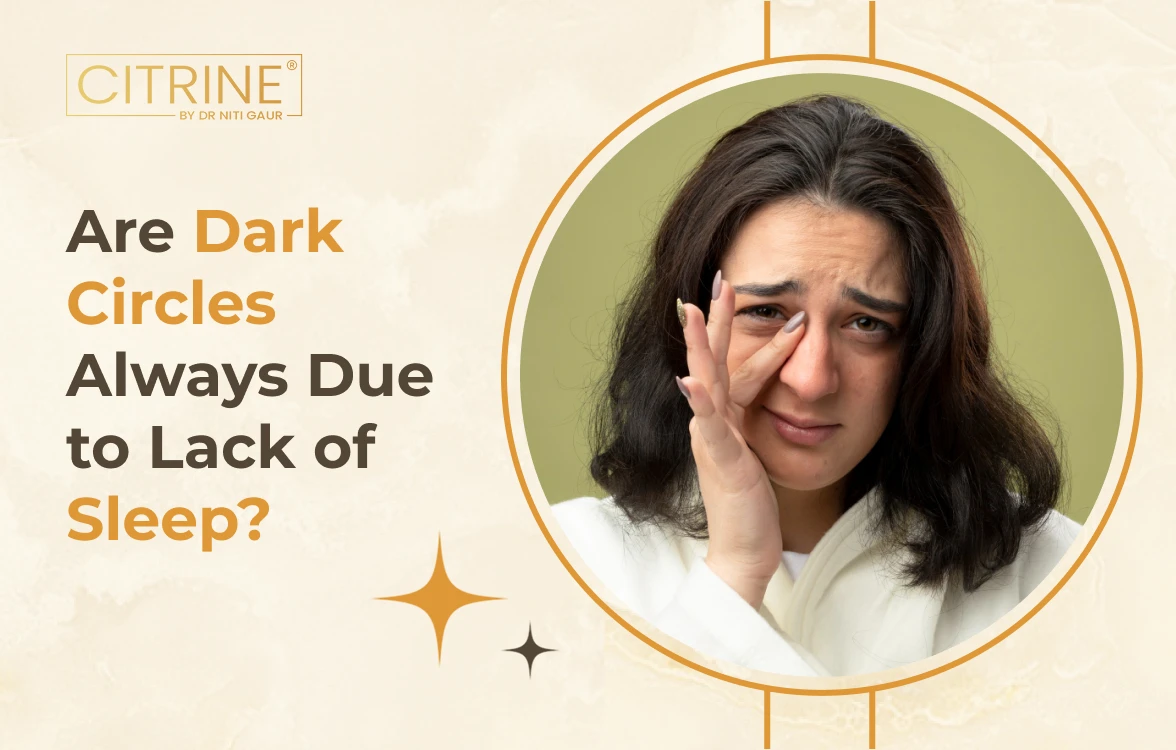
Dark circles under the eyes are one of the most common skin concerns that people experience nowadays. Most people think that dark circles only appear when a person is not getting enough sleep. However, this is not true.
In reality, dark circles are caused by several different factors. These factors may include genetics, lifestyle changes, allergies, as well as dehydration. Because of these reasons, many people may still develop dark circles even if they sleep properly.
It is important to know the actual cause of dark circles. Once the cause is identified, it is easy to choose the right treatment and skincare routine.
This blog will detail what dark circles are, their causes, effective treatments available to treat them and ways to prevent them.
What Are Dark Circles?
Dark circles are the darkened or shadowed area under the eyes. They may appear brown, grey, purple or grey. The under-eye skin is very thin and delicate. Because of this, blood vessels and pigmentation become more visible in this area. This is why even small changes in the skin can make the under-eye area look darker.
Are Dark Circles Always Caused by Lack of Sleep?
The short answer is no.
Sleep deprivation can make dark circles more noticeable, but it is rarely the only cause.
When someone does not sleep properly:
- blood circulation slows down
- the skin looks dull
- blood vessels become more visible
This can create a darker appearance under the eyes.
However, many people with proper sleep still develop dark circles. This happens because other factors play a bigger role.
What Causes Dark Circles?
Sleep deprivation can worsen dark circles but it's rarely the only cause. Here are the other causes of dark circles:
- Genetics: If your parents have dark circles, chances are you will too. The structure of your skin and the fat distribution under your eyes is largely inherited. No amount of sleep fixes this on its own.
- Allergies: Allergies trigger a reaction that releases histamine into your body. This dilates your blood vessels, causing puffiness and a bluish color under your eyes.
- Dehydration: If your body is dehydrated, your under-eye skin becomes sunken and dull. This causes shadows to become darker and prominent.
- Sun Exposure: UV rays increase production of melanin. Exposure to the sun around your eyes causes discoloration over time, even on a cloudy day.
- Ageing: As we age, skin loses collagen and fat. The under-eye area becomes thinner and more hollowed. Blood vessels become more visible, creating that permanently tired look.
- Anaemia (Iron or B12 Deficiency): Low iron or vitamin B12 reduces red blood cells, leading to poor oxygen circulation. The under-eye area is often the first place that shows up visibly.
- Chronic Stress: Long-term stress raises cortisol levels. Cortisol breaks down collagen and thins the skin, making dark circles much more noticeable.
- Smoking and Alcohol: Both habits dehydrate the body, reduce collagen production, and weaken blood circulation. All three factors directly worsen under-eye darkening.
- Thyroid Issues: Hypothyroidism is a medical condition that results from an underactive thyroid. The underactive thyroid causes puffiness and dullness under the eyes that mimics dark circles.
- Excessive Screen: Use of screens strains eyes, causing blood vessels under the eyes to enlarge, which leads to darkness.
- Skin Pigmentation People with medium to deeper skin tones naturally produce more melanin. This makes post-inflammatory hyperpigmentation around the eyes more common.
Unsure Which Cause Applies to You?**
Every dark circle has a different root cause—and the wrong treatment won't work. Get your dark circles analyzed by Dr. Niti Gaur to identify the exact cause and receive a personalized treatment plan. (BOOK FREE ANALYSIS WITH DR. NITI GAUR)
Different Types of Dark Circles
Not all dark circles are the same. Understanding what kind of dark circles you are dealing with is the first step towards the right treatment.
- Pigmented (Brown): This is caused by too much melanin. This is common if you rub your eyes a lot or if you are exposed to a lot of sunlight.
- Vascular (Blue/Purple): These are caused by thin skin that has visible veins. These are usually exacerbated if you are tired or dehydrated.
- Structural (Shadows): This is not actually "dark skin." They are shadows caused by hollow areas or tear troughs under the eyes.
Dermatological Treatments for Dark Circles
When home care is not enough, dermatological treatments can provide better results. The best treatment is chosen depending on the type of dark circle.
- Chemical Peels
Chemical peels help reduce pigmentation around the eyes. It works by exfoliating the skin, and reducing melanin. Chemical peels are useful pigmented dark circles. - Laser Treatment
This is another useful treatment for treating dark circles under the eyes. It improves skin tone, and reduces dark pigmentation. - Under Eye Fillers
For people with hollow under-eyes, under eye fillers can help. Fillers reduce shadows, improves tear troughs, and under eye area looks smooth. The results of fillers are visible immediately. - PRP (Platelet Rich Plasma)
PRP is a popular choice for individuals looking to improve their under eye area. It works by stimulating production of collagen, improving quality of skin, and eliminating fine lines. It is called the natural skin rejuvenation treatment.
How to Prevent Them at Home
While you can't change your genes, you can stop dark circles from getting worse:
- Sunscreen is a must: UV rays break down collagen and increase pigment. Use SPF daily.
- Raising your head: Use an extra pillow while sleeping to prevent fluid from accumulating under your eyes, which causes puffiness.
- Cold compresses: Use a cold cloth for 5 minutes in the morning to constrict swollen blood vessels.
When Should You See a Dermatologist?
In case dark circles:
- persist for a long time
- become darker
- do not respond to your skincare routine
It is best to consult a dermatologist. If you're in Gurgaon and looking for expert dark circles treatment in Gurgaon, Dr. Niti Gaur at Citrine Clinic specializes in diagnosing the root cause and providing targeted solutions. With advanced laser technology, P-R-P therapy, and dermal fillers, she can help you achieve brighter, refreshed eyes.
Our Patient Review can Help You Make Confident Decisions.
Final Thoughts
Dark circles are often blamed on lack of sleep. However, there are several factors that cause dark circles. These include genetics, pigmentation, allergies, dehydration, and aging.
The first step to dealing with dark circles is understanding their cause. However, it is possible to minimize dark circles with the right treatment and skincare.
If you are still experiencing dark circles, consider scheduling a consultation with a dermatologist at Citrine Clinic who will recommend the best course of action depending on your skin type.
You can also check our clinic location and patient reviews before visiting.
View Citrine clinic location, directions, and reviews on Google Maps
Frequently Asked Questions
1. Do dark circles completely disappear?
It depends on the cause. Dark circles caused due to pigmentation can significantly reduce or even get eliminated with the right treatment plan.
2. Will sleeping more cure my dark circles?
Not always. Sleep helps reduce puffiness and mild tiredness around the eyes, but if your dark circles are caused by genetics, pigmentation, or hollowness, better sleep alone won't remove them.
3. Do dark circles indicate a health concern?
Not necessarily, but at times, yes. Sudden or worsening dark circles can indicate anaemia, thyroid problems, or nutritional deficiencies. These can easily be checked with a blood test. In most cases, dark circles are not a sign of any serious medical problems.
4. Which cream is best for dark circles?
Vitamin C and niacinamide creams help with pigmentation. A dermatologist can identify the right ingredient for your specific type of dark circle.
5. How many laser sessions does it take?
Most patients see improvement after 3–4 sessions, with best results after around 6 sessions. The exact number depends on the depth of pigmentation and your skin tone.
6. Are tear trough fillers safe?
When performed by a trained medical professional, they are very safe. Topical numbing cream is applied beforehand. Most patients feel minimal discomfort, and any mild bruising usually settles within a few days.
7. Can children get dark circles?
Yes. In children, dark circles are most often caused by allergies, nasal congestion, or genetics. They are rarely a sign of anything serious. Treating the underlying allergy usually helps reduce them.
8. At what age should I start treating dark circles?
There's no fixed age. If dark circles are bothering you and affecting your confidence, it's worth consulting a dermatologist at any adult age.
About the Author