Uneven skin tone refers to areas of the skin that appear darker, lighter, duller, or more pigmented than the surrounding skin. It can develop due to sun exposure, tanning, acne marks, hormonal changes, melasma, dryness, friction, inflammation, or repeated irritation. Depending on the cause, uneven skin tone treatment may include chemical peels, laser toning, photofacials, topical medication, medical facials, or a combination of treatments.
At Citrine Clinic, uneven skin tone treatment in Delhi is performed by Dr. Niti Gaur, a leading dermatologist with over 20 years of experience in clinical and aesthetic dermatology. She assesses the type and depth of pigmentation, skin sensitivity, lifestyle factors, and previous treatments before creating a personalised plan. The focus is on improving clarity and reducing visible pigmentation while maintaining a natural-looking complexion.
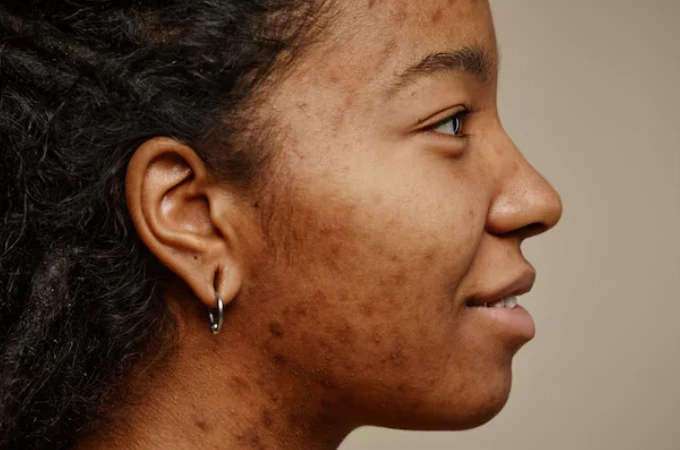

Uneven skin tone treatment involves dermatological procedures and medical skincare approaches designed to reduce differences in pigmentation and improve the overall appearance of the complexion. The treatment can be performed on areas such as the face, neck, hands, and other sun-exposed or pigmented areas.
Depending on the underlying cause, treatment may help:
At Citrine Clinic, Dr. Niti Gaur evaluates the skin before recommending treatment. This is particularly important because pigmentation caused by melasma, acne inflammation, sun exposure, or friction may require different treatment strategies.
The uneven skin tone treatment cost in Delhi at Citrine Clinic generally ranges from ₹3,500 to ₹35,000 per session. The actual cost depends on the treatment selected, the size of the area being treated, the severity of pigmentation, and the number of sessions required.
Factors Affecting Uneven Skin Tone Treatment Cost
The final treatment cost may vary based on:
A consultation is important before determining the exact treatment cost because the same-looking pigmentation can have different causes and may respond differently to treatment.
Professional uneven skin tone treatment in Delhi can offer several benefits when the procedure is selected according to the underlying cause.
These may include:
Most treatments have limited downtime when performed using appropriate settings. Temporary effects can include:
Uneven skin tone treatment may be considered for adults who have persistent pigmentation or noticeable differences in skin colour that have not improved adequately with regular skincare.
It may be suitable for:
People with post-acne pigmentationIndividuals with facial tanningThose with uneven forehead pigmentationPeople experiencing darkness around the mouthIndividuals with sun spots or frecklesPatients with mild or recurring melasmaPeople whose face appears darker than the neckThose with pigmentation after irritation or inflammationIndividuals with generally dull or patchy-looking skinThe treatment process depends on the type and severity of pigmentation.
Skin Assessment The dermatologist examines the affected areas and evaluates the pattern and depth of pigmentation.
Medical and Skincare Review Current skincare products, medications, previous procedures, allergies, and past reactions are considered.
Skin Preparation The treatment area is cleansed to remove makeup, sunscreen, oil, and other surface impurities.
Treatment Selection Depending on the concern, the dermatologist may recommend a chemical peel, laser toning, photofacial, medical skincare, or a combination approach.
Controlled Treatment The selected procedure is performed using settings appropriate for the patient's skin type and pigmentation.
Cooling and Skin Care Cooling measures may be used when required, followed by suitable moisturiser and sun protection.
Home-Care Guidance The patient receives instructions regarding skincare, sun protection, and maintenance between sessions.
Recovery depends on the procedure performed. Some laser and light-based treatments may involve very little downtime, while certain chemical peels can cause temporary flaking.
| Timeframe | What to Expect |
| Immediately After | Mild warmth, redness, or sensitivity may occur |
| 1–2 Days | Skin may feel dry or slightly tight |
| 3–5 Days | Light peeling may occur after certain peels |
| 5–7 Days | Most temporary sensitivity generally settles |
Uneven skin tone treatment may be considered for several types of pigmentation and discolouration, including:
However, sudden, unexplained, or widespread changes in skin colour should be medically evaluated before beginning cosmetic treatment.
Post-acne pigmentation
Facial tanning
Sun-induced pigmentation
Melasma and hormonal pigmentation
Dark patches around the mouth
Uneven forehead pigmentation
Freckles
Sun spots
Neck pigmentation
Hand tanning and discolouration
Pigmentation following irritation
Dull and patchy complexion
Mild uneven skin texture
No. The purpose is to reduce unwanted pigmentation and improve colour uniformity rather than make the natural skin tone lighter.
The number of sessions varies according to the cause, severity, treatment selected, and individual response. Some concerns may improve with a few sessions, while melasma and persistent pigmentation may require longer-term management.
Treatment can significantly reduce existing pigmentation, but it may recur when triggers such as sunlight, heat, hormones, inflammation, or friction continue. Maintenance and sun protection are therefore important.
Sensitive skin does not automatically rule out treatment. However, the procedure and intensity should be selected carefully after evaluating the skin's condition and tolerance.
Yes. Pigmentation can return, particularly when the underlying trigger remains active. Regular sunscreen use and dermatologist-recommended skincare can help reduce recurrence.
Yes. Depending on the cause, treatments may be considered for neck pigmentation and uneven colour. The neck may require a different treatment approach from the face because the skin characteristics and causes can differ.
They may be combined in selected cases, but the combination and timing should be decided by a dermatologist after evaluating the skin. Not every type of pigmentation requires multiple procedures.
Most commonly used procedures are generally well tolerated. Depending on the treatment, patients may experience mild warmth, tingling, or brief discomfort during the session.
Yes. Once active acne and inflammation are appropriately managed, treatments may be used to address the pigmentation left behind.
There is no single best treatment for every patient. Chemical peels, laser toning, photofacials, medical skincare, or combinations may be considered depending on the cause and depth of pigmentation. A dermatologist's assessment helps determine the most appropriate option.