Tattoos may fade in appeal over time, but removing them safely requires advanced dermatological care. Laser Tattoo Removal in Delhi at Citrine Clinic offers an effective and non-surgical solution to gradually break down tattoo pigments and restore clearer skin. Using modern laser technology, dermatologists customize each session based on tattoo size, color, and skin type for safe and visible results.
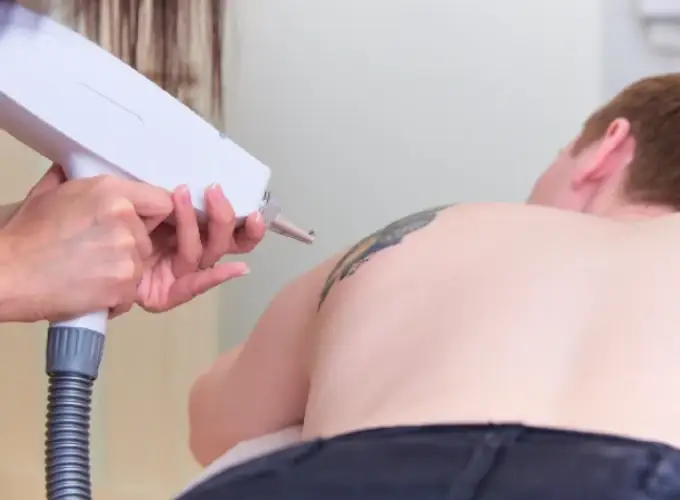

Laser tattoo removal works by delivering high-intensity light energy that targets the pigment particles within the tattoo. This energy breaks the ink into smaller fragments, which are then gradually eliminated by the body’s natural immune system.
Different wavelengths are used to target various ink colors, making the treatment effective for both black and colored tattoos. At Citrine Clinic, dermatologists carefully adjust laser settings to ensure precise targeting of pigment while protecting the surrounding skin.
The Laser Tattoo Removal Cost in Delhi typically ranges between ₹1,500 to ₹15,000 per session, depending on the tattoo and individual factors.
Factors that may influence the cost include:
Laser tattoo removal provides several advantages for safe and effective pigment removal.
When performed by experienced dermatologists like Dr. Niti Gaur, the procedure is generally safe, though mild side effects may occur.
Laser tattoo removal is suitable for individuals looking to safely remove or lighten tattoos.
Individuals with unwanted tattoosPeople seeking tattoo fading for cover-up purposesThose with both black and colored tattoosIndividuals with realistic expectations from treatmentAdults with healthy skin conditionSuitable for most Indian skin types with proper laser selectionThe procedure is carefully performed in a controlled clinical setting.
Consultation and tattoo assessment
Cleansing of the treatment area
Application of numbing cream if required
Delivery of laser pulses to target tattoo pigment
Gradual breakdown of ink particles
Application of soothing and protective products
Recovery is generally manageable with proper aftercare.
| Recovery timeline |
What to Expect |
|---|---|
|
Immediately after treatment |
Redness, swelling, or mild discomfort may occur |
|
Within 2–3 days |
Tattoo gradually starts fading as pigment breaks down |
|
After a few weeks |
Tattoo gradually starts fading as pigment breaks down |
Laser tattoo removal can effectively target different types of tattoos.
Dermatologists at Citrine Clinic customize treatment based on tattoo characteristics for optimal results.
Black ink tattoos (most responsive)
Colored tattoos (require multiple wavelengths)
Professional tattoos
Amateur tattoos
Cosmetic tattoos (with careful evaluation)
Most tattoos require multiple sessions for complete removal. The number depends on tattoo size, color, and depth of ink.
Patients may feel mild discomfort similar to a snapping sensation. Numbing creams are used to make the procedure more comfortable.
Yes, but darker colors like black respond faster than lighter shades. Multiple wavelengths are used to target different colors effectively.
Significant fading or complete removal is possible in most cases. Results vary depending on ink depth and skin type.
Yes, modern laser technologies are designed to safely treat Indian skin tones. Proper customization helps minimize risks.
When performed correctly and aftercare is followed, the risk of scarring is minimal. Professional supervision ensures safer outcomes.
Sessions typically last between 20–45 minutes depending on the tattoo size. Smaller tattoos may take less time.
Fading begins gradually after each session. Noticeable improvement is seen over multiple sessions as the body clears the pigment.
Patients are advised to avoid sun exposure and keep the area clean before sessions. A consultation provides specific pre-care instructions.
Yes, consultation is important to assess the tattoo and skin type. Dermatologists at Citrine Clinic create a personalized and safe treatment plan
Laser tattoo removal is generally recommended for adults, although the appropriate age can vary depending on the individual and the tattoo. For anyone under 18, a dermatologist should assess the situation and advise whether treatment is suitable.
Laser tattoo removal can be done throughout the year, but winter may be more convenient because there is usually less sun exposure. Keeping the treated area protected from sunlight is important during the treatment course, as sun exposure can increase skin sensitivity and the risk of pigmentation changes.
Laser tattoo removal is generally safe when performed by a qualified dermatologist using the appropriate laser and settings. Some temporary redness, mild swelling, tenderness or changes in skin colour may occur after treatment, which usually settles with proper aftercare.
People with certain skin conditions, active infections or wounds around the tattoo may need to postpone laser tattoo removal until the area has healed. It may also not be suitable for everyone with specific medical conditions or medications, so a dermatologist should assess your skin and medical history before treatment.