Dry or cracked lips are not always caused by dehydration, but pollution, weather changes, frequent lip licking, sun exposure, nutritional deficiencies, and damage to the natural protective barrier can contribute to dryness. Lips may become rough or darker in tone, when they remain irritated for a long time.
Dry lips treatment in Delhi aims to restore moisture, repair the damaged lip surface, and protect the lips from repeated dryness. At Citrine Clinic, Dr. Niti Gaur assesses the condition of the lips and considers possible contributing factors before recommending an appropriate treatment plan. Depending on the severity and condition of the lips, treatment may include skin boosters, chemical peels, laser therapy, or a structured lip-care regimen to improve hydration and overall lip health.
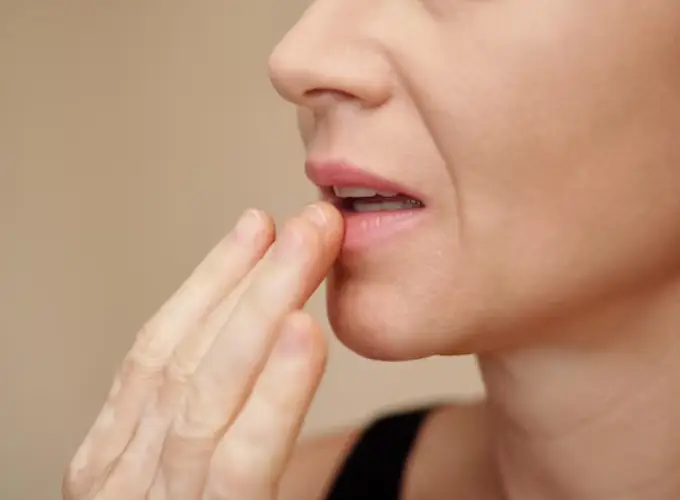

Dry lips treatment is a dermatological approach designed to restore lost moisture, improve hydration, reduce peeling and cracking, and support the natural protective barrier of the lips. Persistent dryness can be associated with dehydration, cold weather, pollution, sun exposure, frequent lip licking, nutritional deficiencies, or repeated environmental irritation.
The treatment is selected according to the severity and condition of the lips. While mild dryness may respond to appropriate moisturisation and lip-care measures, persistent or more damaged lips may require additional dermatological treatment to improve hydration and repair the surface.
| Treatment | How It Helps |
| Skin Boosters | Deliver hydration to the lips and help improve dryness, texture, and overall lip quality |
| Chemical Peels | Gently exfoliate the affected surface and can help improve peeling, roughness, and uneven lip texture |
| Laser Therapy | Uses controlled laser energy to address lip concerns and support improvement in texture and overall appearance |
| Microneedling | Creates controlled micro-injuries that can support skin renewal and improve the quality and texture of dry lips |
| Hydration Therapies | Focus on restoring moisture and nourishment to dry lips while supporting the protective lip barrier |
Dry lips treatment cost in Delhi at Citrine Clinic usually ranges from ₹2,500 to ₹6,000 per session.
Dry lips treatment may provide the following benefits:
Temporary side effects may include redness, warmth, mild tenderness, tightness, or light flaking. These effects usually improve within a few days.
Less common risks include:
Dry lips treatment in Delhi may be considered by people with:
Lips that remain dry after regular moisturisingRepeated peeling or flakingRough or uneven lip textureMild superficial cracksLip-licking-related drynessWeather-related chappingTightness after cosmetic proceduresConsultation with Dr. Niti Gaur: The concerns, duration of dryness, and previous attempts at treatment are discussed.
Examination of the Lips: The lip surface, borders, texture, and overall condition are assessed.
Assessment of Dryness and Damage: The extent of dryness, peeling, flaking, cracks, or irritation is evaluated.
Review of Lip Products: Regular use of lip balms, lipsticks, toothpaste, or other products is discussed to identify possible triggers.
Review of Medical History: Current medicines, allergies, and relevant medical history are considered.
Identification of Possible Triggers: Factors such as dehydration, environmental exposure, lip licking, or product-related irritation are assessed.
Treatment Planning: A suitable approach is selected based on the cause and severity of the dryness.
Preparation of the Lips: The lips are gently cleansed and prepared for the selected treatment.
Application of the Treatment: The chosen procedure or hydration-focused treatment is performed as planned.
Barrier-Supportive Care: A soothing or protective product may be applied to support the lip barrier after treatment.
Home-Care Guidance: Instructions are provided regarding moisturisation, lip products, sun protection, and habits that may worsen dryness.
Follow-Up: The lips are reviewed after recovery to assess improvement and determine whether further treatment or maintenance care is needed.
Recovery after dry lips treatment in Delhi depends on the condition of the lips and the procedure performed.
| Timeframe | What to Expect |
| First 24 Hours | Mild warmth, tightness, redness, or tenderness may occur. |
| Day 2 to 3 | The lips may feel dry, and light flaking may become visible. |
| Day 4 to 5 | Rough patches and peeling usually begin to reduce. |
| Day 6 to 7 | Most visible sensitivity and flaking settle. |
| Week 2 to 3 | The lips may feel softer and retain moisture for longer. |
Dry lips treatment may help manage:
Simple chapped lips
Weather-related lip dryness
Lip-licking dermatitis
Superficial peeling
Rough lip texture
Detailed Lip Assessment: The condition of the lips is evaluated for dryness, peeling, cracks, irritation, and possible contributing factors before treatment is recommended.Cause-Based Treatment Planning: Treatment is planned according to what may be contributing to dryness, including dehydration, environmental exposure, product-related irritation, or habitual lip licking.Multiple Treatment Options: Depending on the condition, treatment may include medical-grade hydration, skin boosters, chemical peels, laser therapy, microneedling, and supportive lip care.Focus on Lip Barrier Health: The approach focuses not only on improving the appearance of dry lips but also on restoring moisture and supporting the protective barrier.Personalised Aftercare: Home-care and follow-up guidance are provided to help maintain hydration and reduce factors that can contribute to recurring dryness.Dry lips treatment can help manage dryness, peeling, and barrier damage associated with retinoid use through appropriate moisturising and supportive care. The retinoid dose or frequency should only be changed by the prescribing doctor.
It may help if an overnight lip mask has caused irritation, dryness, or peeling, particularly when it contains fragrance or other potential irritants. The suspected product should be discontinued while the lips recover.
Dry lips treatment may be considered when the lips are excessively dry or peeling before filler treatment. Any active cracking, irritation, or inflammation should resolve before injections are performed.
It may help with dryness after the treated area has completely healed. Freshly tattooed, actively inflamed, infected, or unusually peeling lips should be assessed and allowed to heal before additional treatment.
It may reduce discomfort when burning is related to a damaged or irritated lip barrier. Persistent or recurrent burning should be evaluated for contact dermatitis, allergy, or another underlying cause.
It can help restore moisture and support healing of surface cracks, but it does not address mouth breathing itself. If the underlying cause continues, dryness and cracking may recur.
Treatment may help when dryness extends around the lips due to irritation or barrier damage. A persistent, spreading, or inflamed rash may require evaluation and treatment for conditions such as dermatitis.
Yes, treatment can be tailored to the affected area when peeling is limited to the lower lip. The cause should still be assessed, particularly if peeling is persistent or repeatedly affects the same area.