A dark spot may remain on the skin long after the acne, sun exposure, irritation, or injury that caused. While some marks gradually become lighter, others can persist for months and make the overall complexion appear uneven. Dark spots removal treatment in Delhi begins with understanding the cause of the pigmentation, as dark spots can vary in colour, depth, and location. This helps ensure that treatment is selected to address the specific concern rather than simply attempting to lighten the skin.
At Citrine Clinic, Dr. Niti Gaur assesses the appearance, location, history, and characteristics of each pigmentation concern before recommending a treatment approach. With over 20 years of experience in clinical and aesthetic dermatology, she may recommend chemical peels, laser toning, photofacial therapy, prescription skincare, or a combination of treatments depending on the patient's skin type and the nature of the dark spots. The goal is to gradually improve visible pigmentation while maintaining an even and healthy-looking complexion.
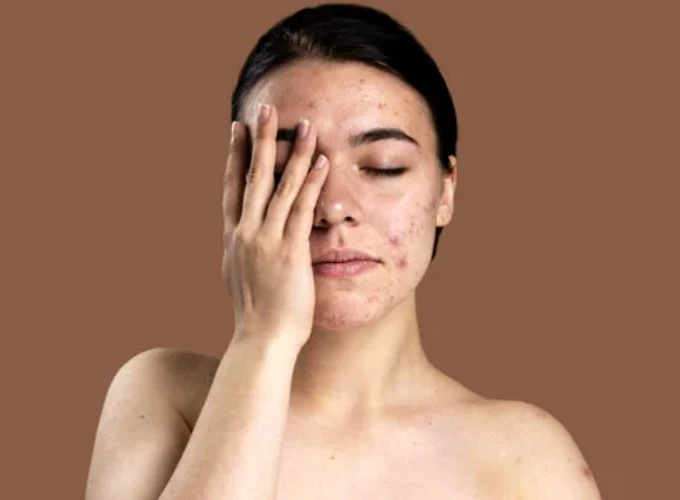

Dark spots removal treatment refers to dermatologist-led approaches used to reduce areas of excess pigmentation and restore a more even-looking skin tone. These spots may develop after acne, sun exposure, inflammation, minor injuries, repeated friction, or other skin concerns, and can appear on areas such as the face, neck, hands, shoulders, and back. The appropriate treatment depends on the cause, appearance, and characteristics of the pigmentation.
At Citrine Clinic, Dr. Niti Gaur evaluates the history and appearance of each dark spot to understand whether it is associated with acne, sun exposure, inflammation, skincare products, or repeated rubbing. Depending on the concern, treatment may help fade acne marks, reduce sun-related spots and selected freckles, and improve pigmentation left after injuries, rashes, or irritation. Moles, raised growths, or lesions that are changing in appearance are assessed separately rather than treated as routine pigmentation.
| Treatment | How It Works |
| Laser Treatment | Targets excess pigmentation and helps reduce the appearance of darker areas while supporting clearer-looking skin |
| Chemical Peels | Helps exfoliate the skin and reduce superficial pigmentation while promoting skin renewal |
| Microdermabrasion | Gently removes the outer layer of dead skin cells to improve skin texture, clarity, and uneven tone |
| Laser Toning | Uses laser-based treatment to target pigmentation and gradually improve uneven skin tone |
| Photofacial (IPL Therapy) | Uses light-based treatment to address pigmentation and sun-related skin concerns, helping improve overall skin clarity |
| Medical Skincare | Prescription and dermatologist-recommended skincare can help with sun-related skin concerns, helping improve overall skin clarity |
| Microneedling | Creates controlled micro-injuries in the skin to promote skin renewal and may help remove pigmentation and improve overall skin quality |
The dark spots removal treatment cost in Delhi at Citrine Clinic usually ranges from Rs 3,500 to Rs 35,000 per session. The final amount depends on the procedure, treatment area, and sessions required.
| Cost | Approximate Price |
| Minimum | ₹3,500 per session |
| Average | ₹20,000 per session |
| Maximum | ₹35,000 per session |
Professional dark spots removal treatment in Delhi may offer several advantages including:
Temporary effects may include:
The treatment may suit adults with stable, flat pigmentation that has not improved with regular skin care. It may help:
People with acne marksIndividuals with sun spotsPatients with friction marksPeople with marks after insect bitesAdults with pigmentation after a healed rashPeople with spots on the shoulders or backThe treatment approach depends on the type, severity, depth, location, and cause of the dark spots. Based on the assessment, dark spots removal treatment in Delhi may involve a single procedure or a combination of treatments.
Skin and spot assessment: The dermatologist examines the dark spots, their appearance, distribution, and the surrounding skin.
Skin analysis: Skin type, severity of pigmentation, and previous skin concerns are evaluated to determine a suitable approach.
Skin preparation: The treatment area is cleansed and prepared before the selected procedure.
Treatment selection: A suitable option, such as a chemical peel, laser treatment, laser toning, photofacial, or medical skincare, is selected.
Targeted treatment: The chosen procedure is performed using settings or techniques appropriate for the pigmentation and skin type.
Post-treatment care: The treated area may be soothed and moisturised following the procedure.
Aftercare guidance: The dermatologist provides instructions on sun protection, skincare, and maintenance to support the treatment outcome.
Laser toning may cause redness for a few hours. Some peels can lead to light flaking.
| Timeframe | What to Expect |
| Immediately After Treatment | Skin may feel warm, tight, or slightly pink. |
| 1 to 2 Days | Mild dryness or temporary darkening may appear. |
| 3 to 5 Days | Light peeling may occur after some peels. |
| 5 to 7 Days | Sensitivity usually settles. |
Dark spots removal treatment in Delhi may be considered for:
Raised, bleeding, widespread, or rapidly changing spots need medical evaluation before cosmetic treatment.
Post-acne pigmentation
Sun spots
Friction-related pigmentation
Marks after insect bites
Pigmentation after minor injuries
Selected freckles
Dark spots on the hands
Marks on the shoulders or back
20+ Years of Experience - Dr. Niti Gaur brings over two decades of experience in clinical and aesthetic dermatology, with expertise in managing a wide range of skin concerns.Expertise in Pigmentation Care - Her dermatology practice includes the assessment and treatment of pigmentation concerns, with treatment plans tailored to individual skin needs.Advanced Laser Treatment Expertise - Dr. Niti Gaur provides advanced laser treatments for pigmentation, along with other aesthetic and dermatological procedures that may be considered for dark spots.Personalised Treatment Planning - Dark spots can vary in their cause, severity, and depth. Her approach focuses on understanding the individual skin concern before selecting an appropriate treatment strategy.Award-Winning Dermatologist - Recipient of the prestigious Dr. A.P.J. Abdul Kalam Inspirations Award 2025 and TIMES Business Icons Award 2026, recognising her contribution and expertise in dermatology and aesthetic care.Globally Trained Dermatology Expert - Having trained across leading international institutions, Dr. Gaur integrates global advancements with protocols tailored to individual skin needs.Patient-Centric Approach - Her practice emphasises detailed consultation, patient education, clarity, and long-term treatment journeys rather than quick fixes.Research-Backed Skin Care - Dr. Gaur combines advanced technologies with research-backed skincare as part of her approach to dermatological and aesthetic care.Yes, dark spots left after mosquito bites may improve once the bite has completely healed and the inflammation has settled. The appropriate treatment depends on the depth and persistence of the pigmentation.
Yes, pigmentation caused by repeated friction or pressure from spectacles may improve with appropriate treatment. The skin should first be assessed to determine the cause and severity of the pigmentation.
It may help reduce flat pigmentation left after a minor burn has fully healed. However, raised or textured scars are different from pigmentation and may require a different treatment approach.
Treatment should not be performed immediately after waxing because the skin may be sensitive or irritated. It is better to allow the skin to settle before undergoing a pigmentation procedure.
Yes, treatment may help fade pigmentation left after a rash has healed. The underlying cause and current condition of the skin should be assessed before selecting a suitable treatment.
Yes, treatment may be repeated when clinically appropriate. Since pigmentation can recur due to factors such as sun exposure, acne, hormonal changes, or irritation, ongoing skincare and maintenance may also be recommended.