

 04 Oct 2026
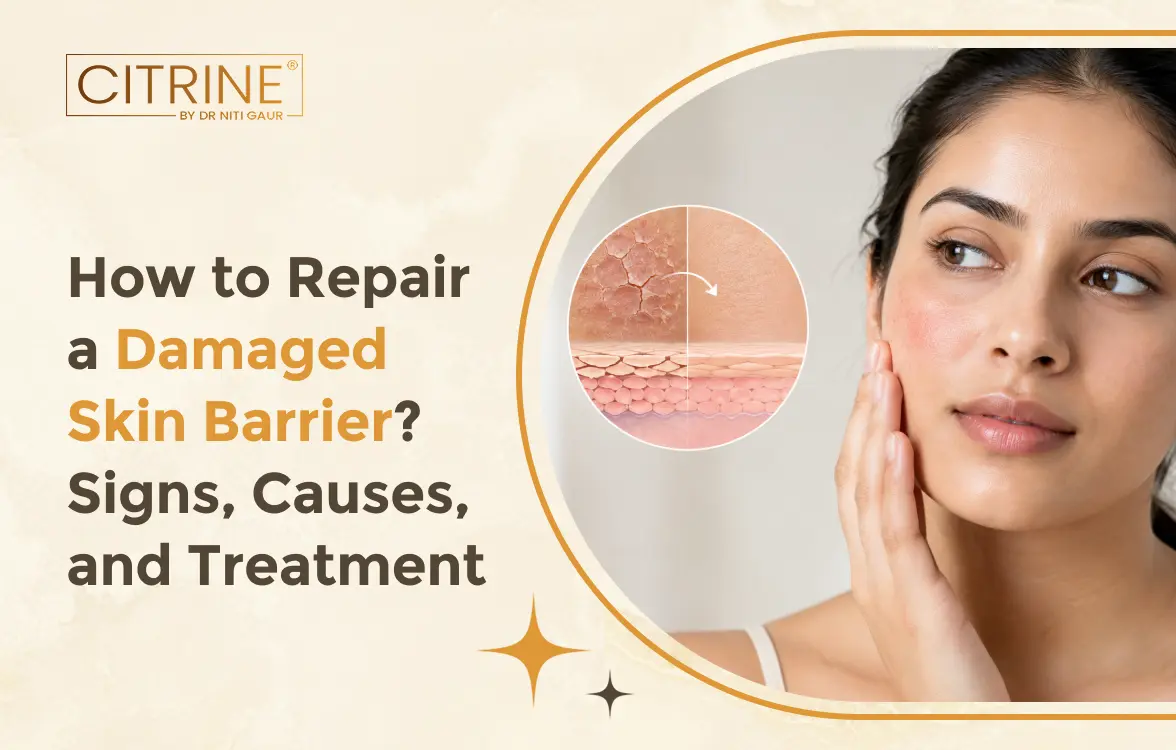
Are you suddenly suffering from dry, itchy, or highly reactive skin? If skincare products that once helped maintain your skin's health and appearance now cause redness, itchiness, burning, or dryness, your skin barrier may be compromised.
Your skin is the body's outermost protective covering. Dr. Niti Gaur, a dermatologist in Gurgaon, explains that a healthy skin barrier helps maintain skin hydration and protect it from external irritants. But when it weakens, is disrupted, or is damaged, it strips away natural moisture, leaving skin dry, rough, irritated, or more reactive.
Harsh cleansing, over-exfoliation, seasonal changes, certain skin conditions, inappropriate skincare/cosmetic products, and aggressive treatments can all damage the skin barrier. If the damage is mild, a simple, gentle, consistent skincare routine and patience can help the skin repair itself. In severe cases, you need a dermatologist's help. The key to natural repair is avoiding anything that irritates the skin and restoring skin hydration.
This article explains everything about damaged skin repair, its signs, its causes, and effective repair options as well as prevention.
Quick Glimpse
- The skin barrier is the skin's outer protective layer.
- It functions best with adequate hydration.
- Signs of damage: Dryness, redness, itching, burning, tightness, and flaking.
- Causes: Harsh products, excessive cleansing, over-exfoliation, irritation, and weather.
- Gentle, consistent hydrating skincare and proper sun protection help maintain the skin barrier.
- For severe, persistent, or recurring skin concerns, see a dermatologist to repair the barrier.
What is the Skin Barrier?
The skin barrier is the skin's outermost layer, the epidermis, medically referred to as the stratum corneum. It is made of ceramides, cholesterol, and fatty acids, which together support skin structure, maintain hydration and a balanced environment, and protect against irritants, allergens, foreign substances, and weather changes.
When the skin barrier is disrupted, weakened, or damaged, the skin loses water more easily and becomes more prone to irritation, inflammation, poor health, and an unappealing appearance.
What Are the Signs of a Damaged Skin Barrier?
A disrupted or damaged skin barrier makes the skin look different. Depending on skin type and the underlying cause, the skin's appearance and behavior can change.
Here are the most common changes to the skin when the barrier is compromised:
- Persistent skin dryness
- Skin tightness after cleansing
- Roughness
- Flaking or peeling
- Burning or stinging
- Itching
- Increased sensitivity
- Small, irritated bumps
- Sudden discomfort on use of skincare products/cosmetics
- More discomfort on applying active ingredients.
What Causes Damage to the Skin Barrier?
Here are the usual reasons:
- Harsh Cleansing: Strong cleansers or frequent washing strip the skin’s natural moisture and protective lipids, making it drier.
- Over-exfoliation: Once-a-week gentle scrubbing or chemical exfoliation is generally recommended. If you use strong exfoliating acids, harsh scrubs, strong retinoids, or use actives frequently, your skin may get irritated instead of healthier.
- Multiple Skincare Actives: Sensitive skin can become overwhelmed and irritated when you layer multiple skincare products at once. For instance, combining or frequently using products like retinoids, alpha or beta hydroxy acids, Vitamin C, benzoyl peroxide, or physical scrubs may damage the skin barrier instead of being useful.
- Environmental Stressors: Dry, cold weather and low humidity can increase moisture loss from the skin. Hot weather, air conditioning, excessive sweating, UV exposure, and polluted air and water can even leave the skin irritated.
- Long, Frequent Hot Showers: Hot baths can worsen skin dryness and irritation, especially for people with sensitive or eczema-prone skin.
- Aesthetic Treatments: Some professional skin resurfacing procedures or treatments intentionally damage the skin barrier to stimulate collagen remodeling, the skin's natural repair process for correcting different skin concerns.
- Underlying Skin Conditions: Sometimes what presents as a damaged skin barrier is actually an underlying skin condition like rosacea, contact dermatitis, atopic dermatitis, seborrheic dermatitis, psoriasis, or certain infections.
If signs of skin barrier damage persist or worsen despite proper skincare or at-home remedies, a dermatologist can help identify the underlying cause and provide appropriate treatment to restore healthy skin barrier function.
How to Repair a Damaged Skin Barrier?
First, stop the irritation and let your skin recover naturally.
Keeping this in mind, dermatologists recommend taking the following measures:
- Simplify Skincare Routine
Follow a basic skincare routine.
In the morning, cleanse or rinse with water, then apply moisturizer and sunscreen. Before bed, double-cleanse and apply moisturizer.
- Be Gentle with Skin
To clean your skin, use only a mild cleanser with lukewarm or normal water. Avoid harsh scrubbing and over-exfoliation, as well as intentional harm to the healing skin. Use gentle exfoliation once a week. Pat dry skin after every wash instead of rubbing it with a rough towel.
- Regularly Moisturize Skin
Moisturizers help keep skin hydrated and support barrier repair and strengthening. Based on your skin type and how dry it is, apply moisturizer to damp, clean skin with products containing ceramides, squalene, hyaluronic acid, glycerin, petrolatum, dimethicone, or other barrier-supportive/skin identical lipids.
- Be Consistent with Sun Protection
Prolonged or repeated sun exposure can worsen skin irritation and cause ongoing skin damage. Use suitable, broad-spectrum sunscreen with a high SPF and sun-protective clothing. Reapply sunscreen during extended outdoor exposure and sweating to prevent further damage.
- Slowly Reintroduce Active Ingredients
In your basic skincare routine, add actives gradually once your skin feels comfortable, and keep monitoring your skin’s response. On actively irritated or damaged skin, avoid strong exfoliating products, physical scrubs, high-strength retinoids, fragranced products, heavy formulations, strong acne treatments, or using multiple products at once. Use them only when there is tolerance and at the frequency and concentration that the dermatologist decides.
Read also: Top Treatments for Sun-Damaged Skin Recommended by Dermatologists
Our Patient Review can Help You Make Confident Decisions.
Read Citrine Clinic Patient Reviews
You Can Meet us at:
SCO- 19, Huda Market Road, Sector 15 Part 2, Market Gurugram, Haryana
Conclusion
A damaged skin barrier that presents as irritated, extremely dry, tight, or reactive skin needs basic, gentle skincare, nothing more. Instead of trying multiple products or aggressive treatments, stick to hydrating, gentle skincare and maintain a healthy lifestyle. Once the skin barrier gets strengthened, reintroduce actives or professional procedures gradually.
If dryness, redness, burning, or sensitivity persists, it may point to a skin condition that needs professional evaluation and treatment by a dermatologist.
Need Help Repairing Your Skin Barrier?
If dryness, redness, burning, itching, or skin sensitivity continues despite a gentle skincare routine, it may be more than a temporary barrier issue. Consult Dr. Niti Gaur, dermatologist in Gurgaon, at Citrine Clinic for a personalized skin evaluation and treatment plan based on your skin condition and concerns.
Ready to get healthier, calmer skin? Book an appointment with Dr. Niti Gaur at Citrine Clinic, or call us at +91-8065060900.
FAQs on Damaged Skin Repair
How do I know if my skin barrier is damaged?
You will experience skin dryness, flaking, tightness, redness, burning, roughness, itching, and increased sensitivity when using existing skincare/cosmetic products.
How soon can a damaged skin barrier heal?
Mild skin irritation may heal in days to a few weeks once the trigger is removed. But significant or recurring skin inflammation takes longer.
Can you get treatments when the skin barrier is damaged?
This depends on the treatment plan and extent of the damage. If you have active skin irritation or inflammation, a dermatologist usually postpones cosmetic procedures that intentionally create controlled skin injury.
Can restoring skin hydration repair the damaged skin barrier?
Yes. If you follow a complete skin-moisturizing routine and use skin-hydrating ingredients like hyaluronic acid and ceramides, they can support skin barrier function.
What is the best treatment for a damaged skin barrier?
There is no single best treatment. Start with a gentle, consistent, appropriate skincare routine. For persistent or severe damage, a dermatologist evaluation and treatment are advised.
About the Author