Pigmentation is a common skin concern that leads to dark spots, uneven skin tone, and a dull complexion due to excess melanin production. It can be caused by sun exposure, acne, hormonal changes, ageing, or other underlying factors. At Citrine Clinic, Pigmentation Treatment in Gurgaon is tailored to your skin type and the underlying cause of discoloration. Using advanced dermatologist-led treatments, Dr. Niti Gaur helps reduce stubborn spots, restore an even complexion, and improve overall skin clarity.
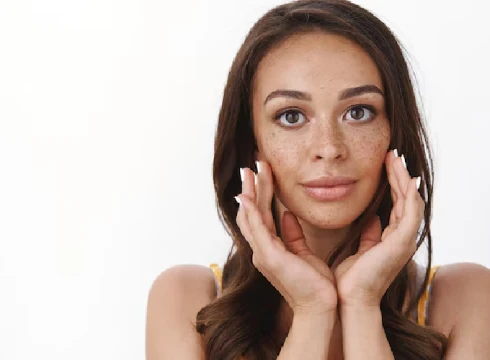

Skin pigmentation is the natural coloration of the human skin due to the presence of a certain pigment called melanin. The melanin is produced in cells called melanocytes. However, when the melanin produced in the body is excessive in certain areas, this leads to the formation of dark patches on the human body. This phenomenon is known as hyperpigmentation.
Pigmentation can occur on the face, neck, and arms due to the exposure of these areas to the sun. However, this does not cause any harm to the body. On the contrary, it affects the confidence level and the appearance of a person. With the right guidance in the field of dermatology, the problem of pigmentation can be solved in a proper manner, and the overall skin tone can be achieved.
On average, pigmentation treatment cost in Gurgaon can range from ₹5,000 to ₹35,000 per session, depending on the procedure used and the treatment plan required.
| Treatment Type | Estimated Cost (INR) | Best For |
| Topical Therapy & Medicated Creams | 5,000 - 12,000 | Light tanning and early dark spots |
| Chemical Peels (superficial to medium) | 6,000 - 15,000 | Dead cells and acne marks |
| Microdermabrasion (skin polishing) | 5,000 - 10,000 | Dullness and uneven textured skin |
| Photofacial (IPL Therapy) | 8,000 - 20,000 | Sun damage and redness |
| Laser Toning (Q-switch Nd:Yag) | 12,000 - 35,000 | Melanin and melasma |
Factors that can influence the cost include:
Several internal and external factors can trigger excess melanin production in the skin.
Prolonged exposure to UV rays from sunlight
Hormonal changes during pregnancy or due to birth control pills
Skin inflammation caused by acne, eczema, or injury
Aging and natural changes in skin cell activity
Certain medications that increase photosensitivity
Genetic predisposition to pigmentation disorders
Pollution and environmental stressors affecting skin health
Frequent heat exposure and harsh cosmetic procedures
Different forms of pigmentation can appear depending on the underlying cause.
Managing pigmentation usually requires a combination of skincare practices and medical treatments.


Preventive care plays a major role in reducing the chances of developing stubborn pigmentation.
While mild pigmentation can sometimes fade on its own, certain signs indicate that professional care may be needed.
Pigmentation is not always permanent. With the right treatment and skincare routine, many types of pigmentation can lighten significantly over time.
Yes, pigmentation can sometimes recur if the underlying trigger such as sun exposure or hormonal imbalance continues. Proper sun protection and skincare maintenance help reduce the chances of recurrence.
Modern dermatological treatments are designed to be safe for most skin types, including Indian skin tones. However, the choice of treatment is always customized after evaluating the skin.
The timeline varies depending on the type and depth of pigmentation. Some people notice improvement within a few weeks, while deeper pigmentation may take a few months to gradually lighten.
Chronic stress can influence hormonal balance and skin health, which may indirectly contribute to pigmentation issues. Maintaining a balanced lifestyle can support overall skin wellness.
Most dermatological procedures for pigmentation are minimally invasive and involve little discomfort. Dermatologists may use soothing techniques to ensure the procedure remains comfortable.
Home remedies may help mildly brighten the skin but usually cannot treat deeper pigmentation. Medical treatments are often more effective for persistent or stubborn discoloration.
Yes, certain types of pigmentation such as age spots commonly appear as the skin ages and is exposed to sunlight over the years.
A healthy diet rich in antioxidants, vitamins, and hydration supports overall skin health and may help maintain an even complexion.
Yes, a proper diagnosis ensures the correct treatment is chosen for the specific type of pigmentation. Dermatologists at Citrine Clinic, typically assess the skin condition carefully before recommending any the best pigmentation treatment in Gurgaon.